August is often one of the warmest and busiest months in the gardening calendar. While many plants are at their peak, it is also a time when gardens require consistent care to remain healthy and productive. Hot weather, occasional drought, and the demands of harvesting can quickly take their toll if essential maintenance is neglected. At the same time, August provides an excellent opportunity to prepare for autumn and even lay the foundations for next year’s garden.
Whether you grow flowers, vegetables, fruit, or simply enjoy maintaining a beautiful outdoor space, focusing on the right jobs during August will help keep plants thriving and ensure continued colour and productivity well into the autumn months.
1. Water plants thoroughly and wisely
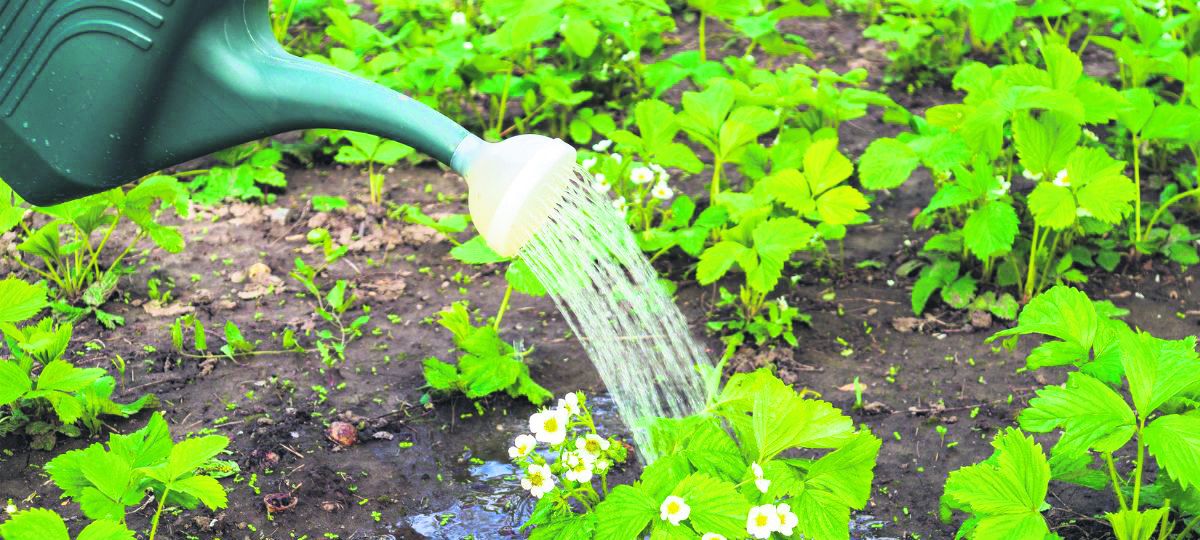
Watering remains one of the most important jobs throughout August. Long periods of sunshine and high temperatures can dry out soil surprisingly quickly, placing plants under stress. Rather than giving plants a light sprinkle every day, it is far better to water deeply once or twice a week. Deep watering encourages roots to grow further into the soil, making plants stronger and more resilient during dry spells.
Pay particular attention to newly planted shrubs, hanging baskets, containers, greenhouse crops, and vegetables, as these dry out much faster than established plants growing in open ground.
Consistent watering is particularly important for tomatoes, cucumbers, beans, pumpkins, courgettes, and flowering annuals. Irregular watering can lead to problems such as blossom end rot on tomatoes or poor-quality fruit.
2. Harvest fruit and vegetables frequently
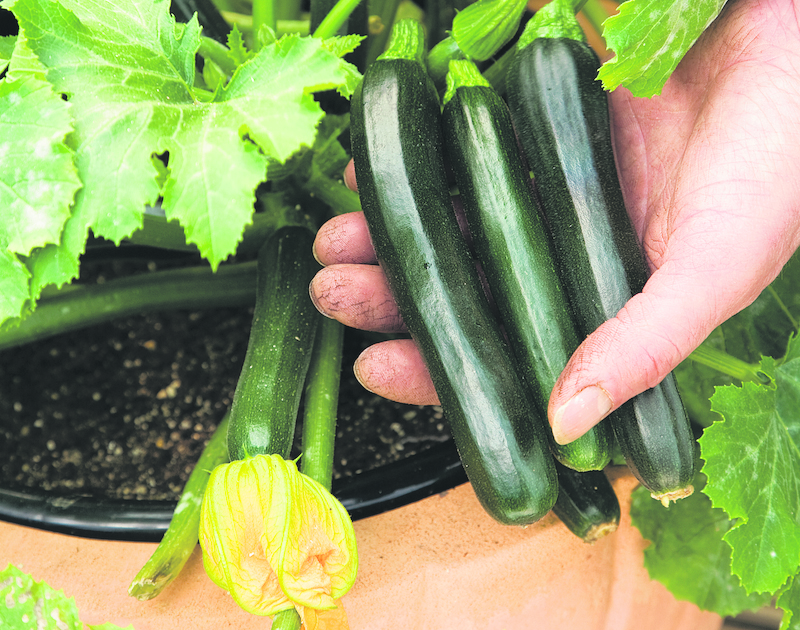
This is a very rewarding month because many fruits and vegetables reach maturity. Beans, peas, courgettes, cucumbers, tomatoes, sweetcorn, onions, potatoes, beetroot, carrots, raspberries, blackberries, plums, apples, and many herbs are ready for harvesting.
Regular harvesting is important because many crops continue producing when picked frequently. Courgettes, runner beans, French beans, cucumbers, and tomatoes are particularly productive when harvested every few days. Allowing vegetables to become oversized often signals the plant to stop producing new fruit.
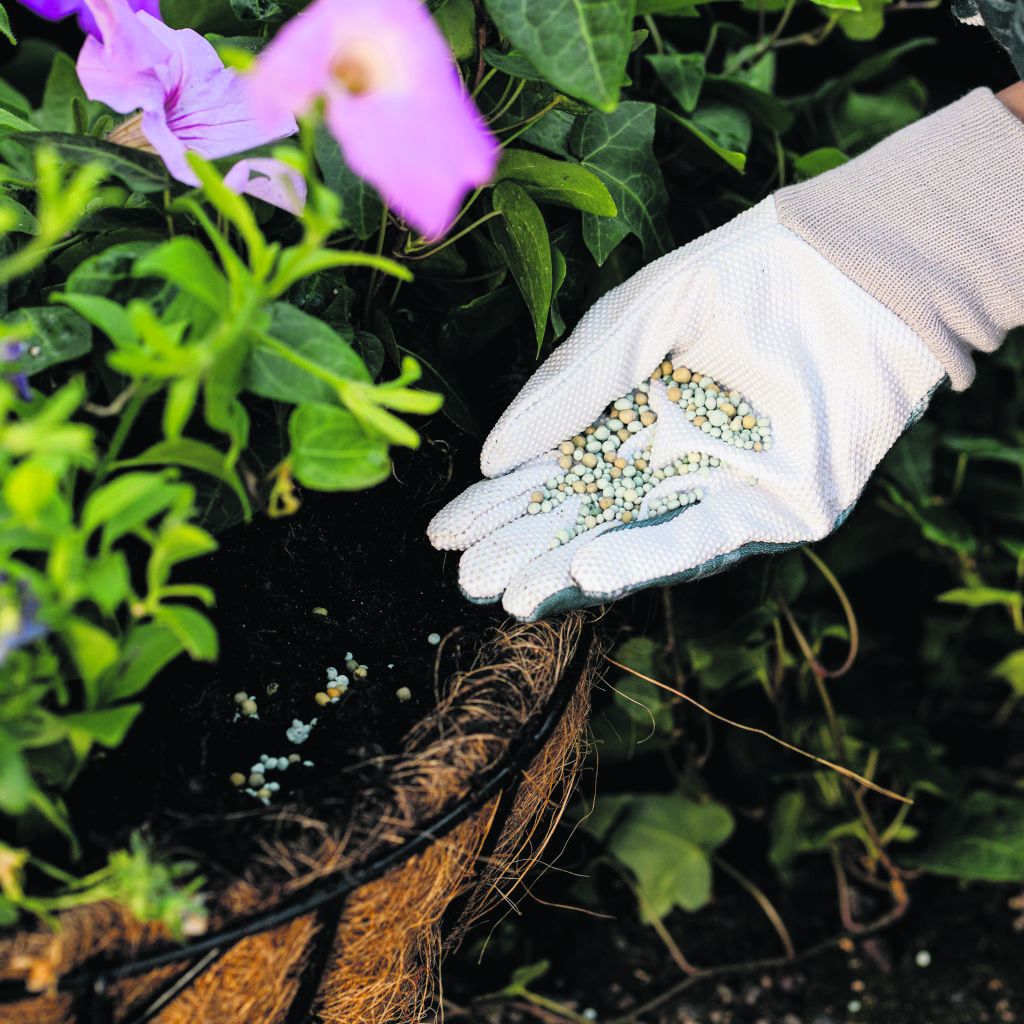
3. Feed flowering plants and containers
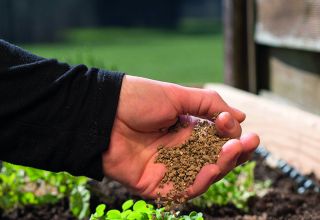
Many plants have been flowering continuously since late spring, meaning much of the available nutrition in compost and soil has been used. August is therefore an ideal time to continue feeding flowering plants, particularly those growing in pots, hanging baskets, and window boxes.
Liquid tomato feed works well for many flowering plants because it contains higher levels of potassium, which encourages flowers and fruit rather than leafy growth. Deeding every week or two helps maintain healthy foliage while promoting continued blooming.
Container-grown plants require especially regular feeding because nutrients are quickly washed out during watering.
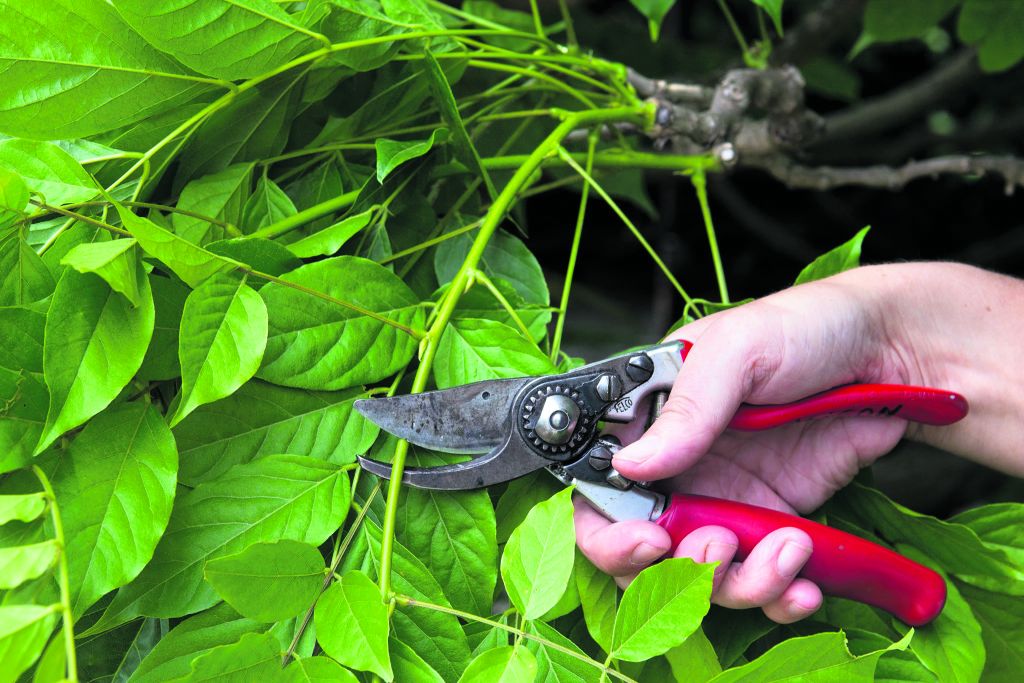
4. Prune summer-flowering shrubs and climbers
August is a perfect month to prune certain shrubs and climbers once flowering has finished. Removing spent flowering stems helps maintain shape and encourages healthy new growth.
Summer-flowering climbers such as wisteria often require trimming during August to control vigorous shoots. Side shoots can usually be shortened to encourage the development of flower buds for the following year.
Shrubs that have completed flowering may also benefit from removing old flower stems and lightly reshaping the plant.
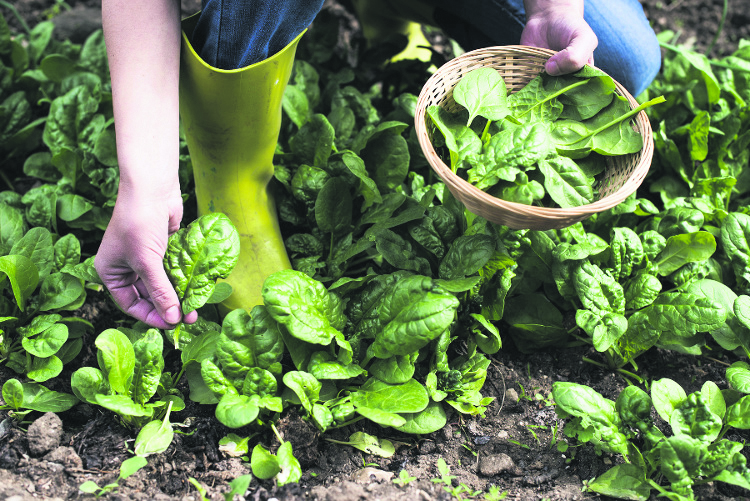
5. Sow late crops and hardy vegetables
Although it feels like the height of summer, it is already time to think ahead to autumn and even winter harvests. Many vegetables can still be sown successfully during August.
Suitable crops include spinach, spring cabbage, winter lettuce, rocket, pak choi, radishes, turnips, coriander, parsley, and hardy salad leaves. Fast-growing varieties can provide fresh produce within weeks, while others establish before colder weather arrives.
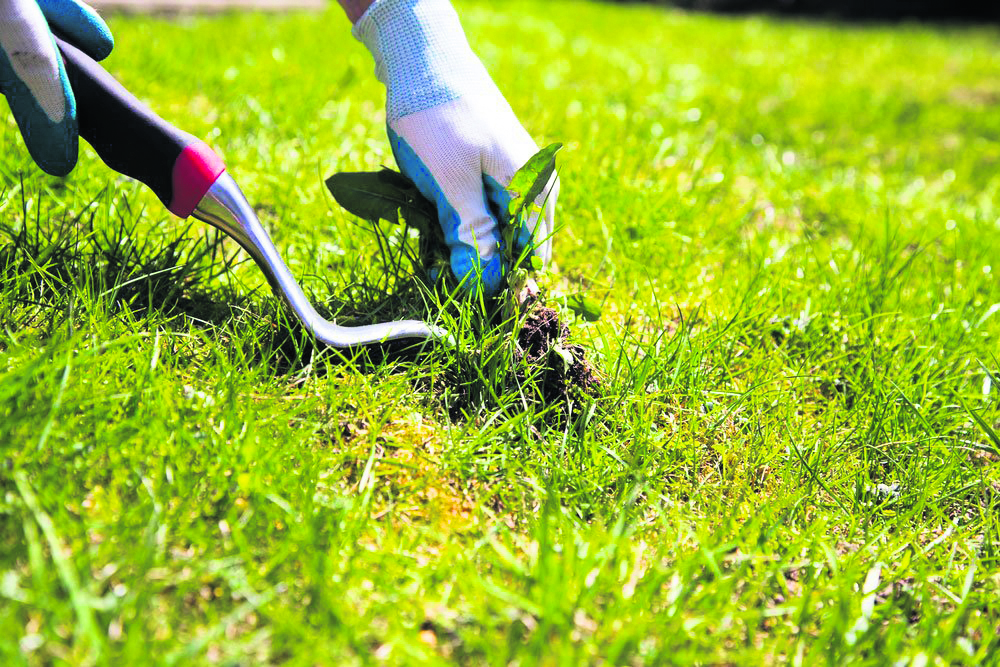
6. Control weeds before they set seed
Warm weather encourages weeds to grow rapidly. Left unchecked, they compete with cultivated plants for moisture, nutrients, and sunlight. During August, this competition becomes even more significant because water may already be in short supply.
Regular hoeing or hand weeding keeps borders tidy while preventing weeds from becoming established. Removing weeds before they flower and produce seed helps reduce future weed problems significantly.
Keeping weeds under control improves plant health, reduces competition, and saves considerable effort later in the season.
7. Prepare for autumn planting
Although autumn may seem some distance away, August is the ideal month to begin preparing for the next season. Beds that have finished flowering or producing crops can be cleared, weeds removed, and organic matter such as compost or well-rotted manure incorporated into the soil. Preparing the soil now allows it to settle before autumn planting begins. it also improves soil structure, drainage, and fertility for future crops and ornamental plants.
8. Look out for pests and diseases
August’s warm conditions provide ideal environments for many garden pests and diseases. Aphids, caterpillars, whitefly, spider mites, slugs, snails, mildew, rust, and black spot may all become more noticeable.
Regular inspection allows problems to be identified before they spread widely. Examine both the upper and lower surfaces of leaves, particularly on vegetables, roses, greenhouse plants, and fruit bushes.
Removing affected leaves promptly, improving air circulation, watering at soil level rather than onto foliage, and encouraging natural predators such as ladybirds can all help keep pest populations under control.