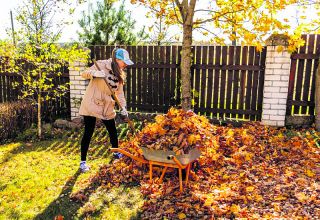
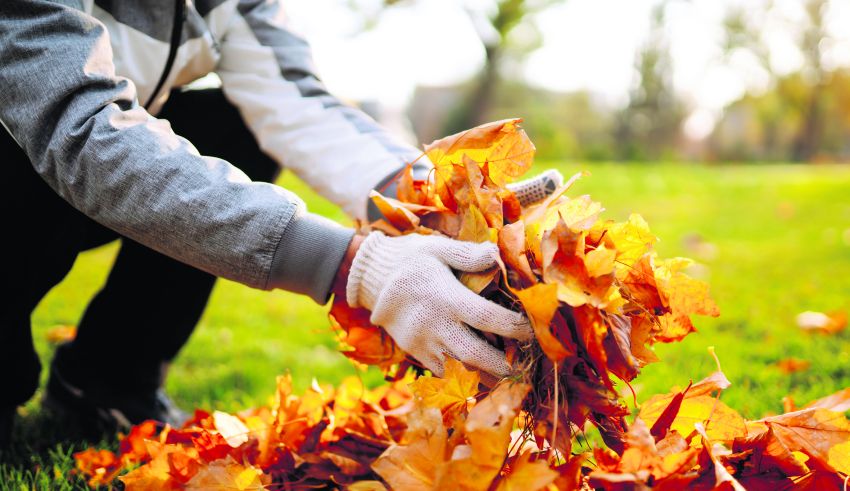
As autumn arrives and trees begin to shed their leaves, too many see the fallen foliage as something that needs to be cleared away. Lawns become covered in yellow, brown and red leaves, paths become slippery, and borders can look untidy. However, fallen leaves are much more than garden waste. They are an important natural resource, providing food and shelter for wildlife and eventually returning valuable nutrients to the soil.
Collecting leaves is possibly the most environmentally friendly gardening activity there is. Leaves are gathered, allowed to break down naturally to produce leaf mould and the cycle of nature starts. It is important not to remove every leaf from every part of the garden. In many situations, the best thing a gardener can do is simply leave the leaves where they fall.
One of the most relevant tips when collecting leaves for mould is to run them with the mower. These smaller pieces break down more quickly and can sometimes be left on the lawn, where they gradually disappear into the grass and add organic matter to the soil.
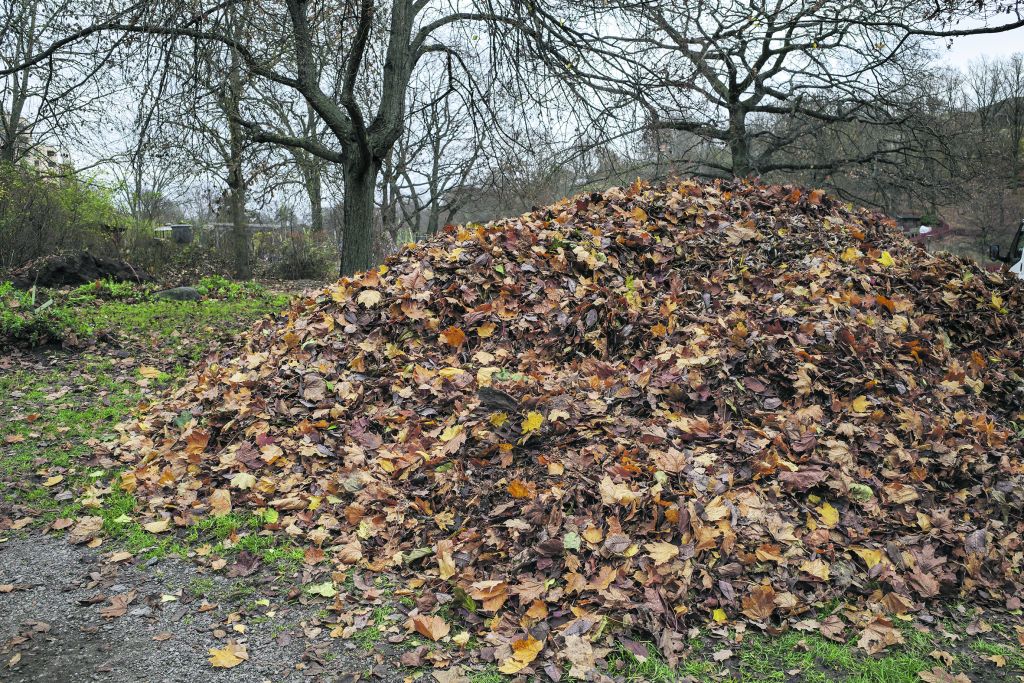
Collected leaves can be placed in a simple leaf-mould pile or in a wire-mesh container. There is no need for an expensive compost bin. A square or cylindrical frame made from chicken wire or other open mesh is often enough. The important thing is that the pile remains damp and has access to air.
Not all leaves break down at the same speed. Soft leaves, such as those from birch, hazel and many fruit trees, tend to decompose relatively quickly. Tougher leaves, including oak and beech, can take considerably longer. Shredding larger leaves before adding them to a pile speeds up the process because it increases the surface area available to micro-organisms.
How leaves disintegrate
Leaf decomposition is a natural process involving fungi, bacteria, insects and other tiny organisms. When a leaf first falls from a tree, it still contains nutrients and complex plant material. Rain, wind and changes in temperature begin to weaken its structure. Fungi and bacteria then start breaking down the leaf’s tissues.
Small creatures such as woodlice, springtails, worms and various insect larvae also help. They chew and fragment the leaves, making them smaller and easier for microorganisms to digest. The organic material is gradually transformed as carbon compounds break down and nutrients are released.
Over time, the leaves become darker, softer and increasingly crumbly. Eventually, much of the recognisable leaf structure disappears, leaving a dark, brown, earthy material known as leaf mould. Unlike ordinary garden compost, leaf mould is produced mainly from leaves and tends to contain fewer nutrients. Its greatest value is as a soil conditioner.
The speed of decomposition depends on several factors, including moisture, temperature, the type of leaf and how much air can reach the material. A damp, well-aerated pile will generally break down more effectively than a dry, tightly compacted one.
“Unlike ordinary garden compost, leaf mould is produced from leaves and contains fewer nutrients. Its greatest value is as a soil conditioner.”
What is leaf mould used for?
Leaf mould is one of the simplest and most useful soil improvers that a gardener can make. Once it has decomposed sufficiently, it can be incorporated into soil to improve its structure. It helps soil hold moisture while also allowing excess water to drain away.
Leaf mould can be particularly valuable in sandy soils, where water drains too quickly, and in heavy clay soils, where improving the structure can make the soil easier to work.
Well-rotted leaf mould can also be used as part of homemade potting mixtures and as a growing medium for some plants. Fine leaf mould is especially useful for raising seeds because it has a loose, crumbly texture.
Perhaps one of its greatest advantages is that making leaf mould turns something that might otherwise be treated as waste into a useful gardening material.
When should leaves be left in place?
Although collecting leaves has many benefits, gardeners should not automatically remove every fallen leaf. In natural environments, leaves are supposed to fall to the ground and decompose. Removing them all can reduce habitat and remove nutrients from the soil.
Leaves can often be left beneath trees, shrubs and hedges. They provide a natural mulch that protects the soil, helps retain moisture and eventually feeds the plants growing above them. A layer of leaves can also provide valuable shelter for small animals and insects.
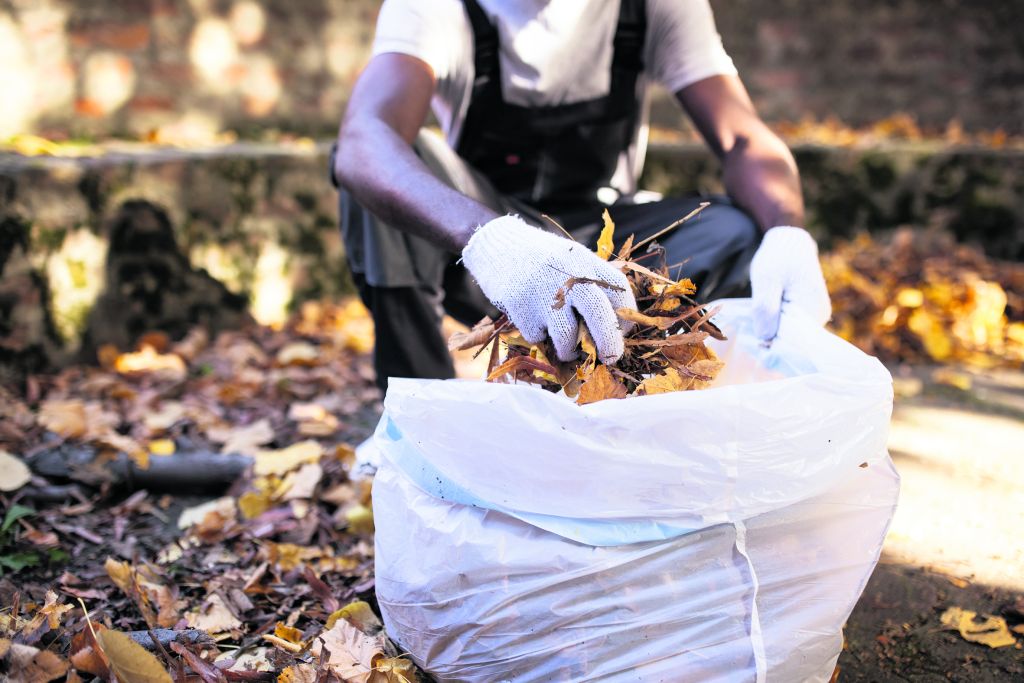
Leaves should generally be cleared from lawns if they form a thick layer because excessive leaf cover can block light and air from reaching the grass. Leaves may also be removed from paths, steps and other areas where they could become slippery. However, the collected material does not need to be thrown away: it can be transferred to a leaf-mould pile.
Wildlife will love rotting leaves
Rotting leaves are an important part of the food chain. A pile of damp leaves can become a miniature ecosystem, attracting a wide variety of creatures.
Hedgehogs may search through leaf litter for beetles, worms and other invertebrates. Frogs, toads and newts can also benefit from the cool, damp conditions created by decomposing vegetation. Insects and their larvae use leaf litter as both food and shelter, while spiders and other predators are attracted by the abundance of smaller creatures.
Earthworms are particularly important because they consume and break down organic matter, helping to incorporate it into the soil. Woodlice and millipedes also play a role in shredding dead vegetation. Fungi and microorganisms then continue the decomposition process.
A better approach to autumn leaves
The best approach is not necessarily to choose between collecting leaves and leaving them alone. A wildlife-friendly garden can do both.
Clear leaves from lawns, paths and drains where they cause problems, but leave them beneath trees, hedges and shrubs wherever practical. Gather surplus leaves and create a dedicated leaf-mould pile. Shred large leaves where possible to speed up decomposition, keep the pile moist and allow plenty of air to circulate.
Over time, autumn’s fallen leaves will change from colourful foliage into a dark, crumbly material that can improve the soil. At the same time, the decomposing leaves will provide food and shelter for a remarkable range of wildlife.
Trees take nutrients from the soil to produce leaves; those leaves fall, decompose and return organic matter to the ground.