July is one of the busiest and most rewarding months in the gardening calendar. With long daylight hours, warm temperatures and plants growing at full speed, gardens are often at their most colourful and productive. However, the combination of heat, rapid growth and occasional dry spells means there is plenty to do to keep plants healthy and looking their best.
Whether you grow flowers, vegetables, fruit or a mixture of everything, carrying out a few key tasks during July can make a significant difference to the success of your garden throughout the rest of summer and into autumn. Here are 12 important gardening jobs to focus on this month.
1. Water wisely
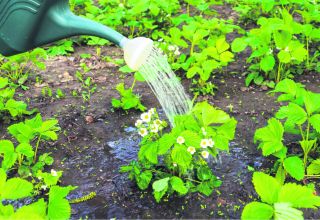
One of the most important gardening tasks in July is managing water effectively. As temperatures rise, plants can quickly become stressed if they do not receive sufficient moisture. Rather than watering little and often, aim to water deeply and thoroughly. This encourages roots to grow deeper into the soil where moisture levels remain more consistent. Early morning or late evening are the best times to water, as less moisture is lost through evaporation. Pay particular attention to newly planted shrubs, hanging baskets, containers, vegetables and greenhouse crops.
2. Feed hungry plants
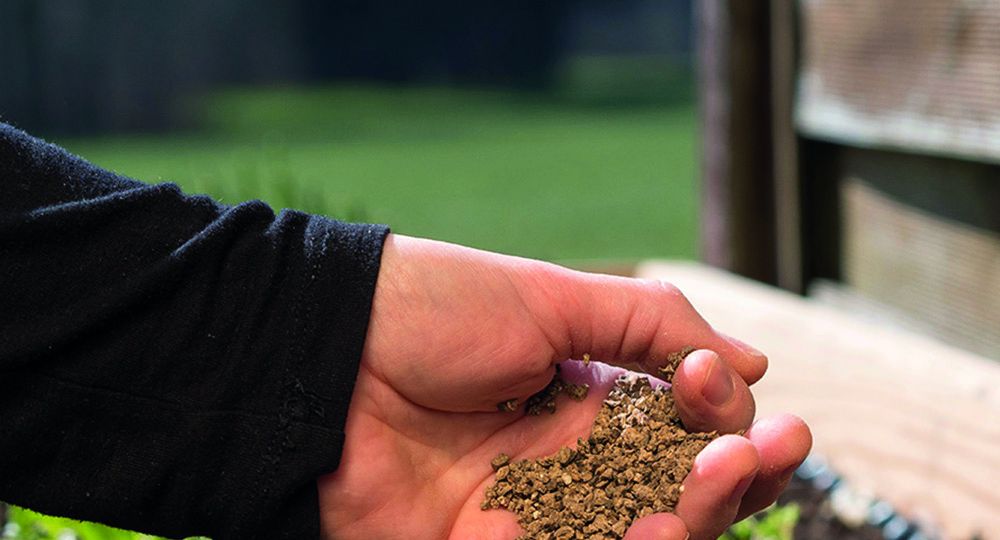
By July, many plants have used up much of the nutrition available in their containers or surrounding soil. Feeding can help maintain healthy growth and improve flowering and fruiting performance.
Tomatoes, cucumbers, peppers and other greenhouse crops particularly benefit from regular feeding. Once flowers have formed, switch to a high-potash fertiliser designed to encourage fruit production.
Flowering plants in containers and hanging baskets also appreciate weekly feeding. This helps sustain strong flowering displays throughout the summer months.
Avoid overfeeding, however, as excessive fertiliser can produce lush foliage at the expense of flowers and fruit.
3. Support tall and heavy plants
Rapid growth during July can leave many plants vulnerable to damage from wind, rain and the weight of their own flowers.
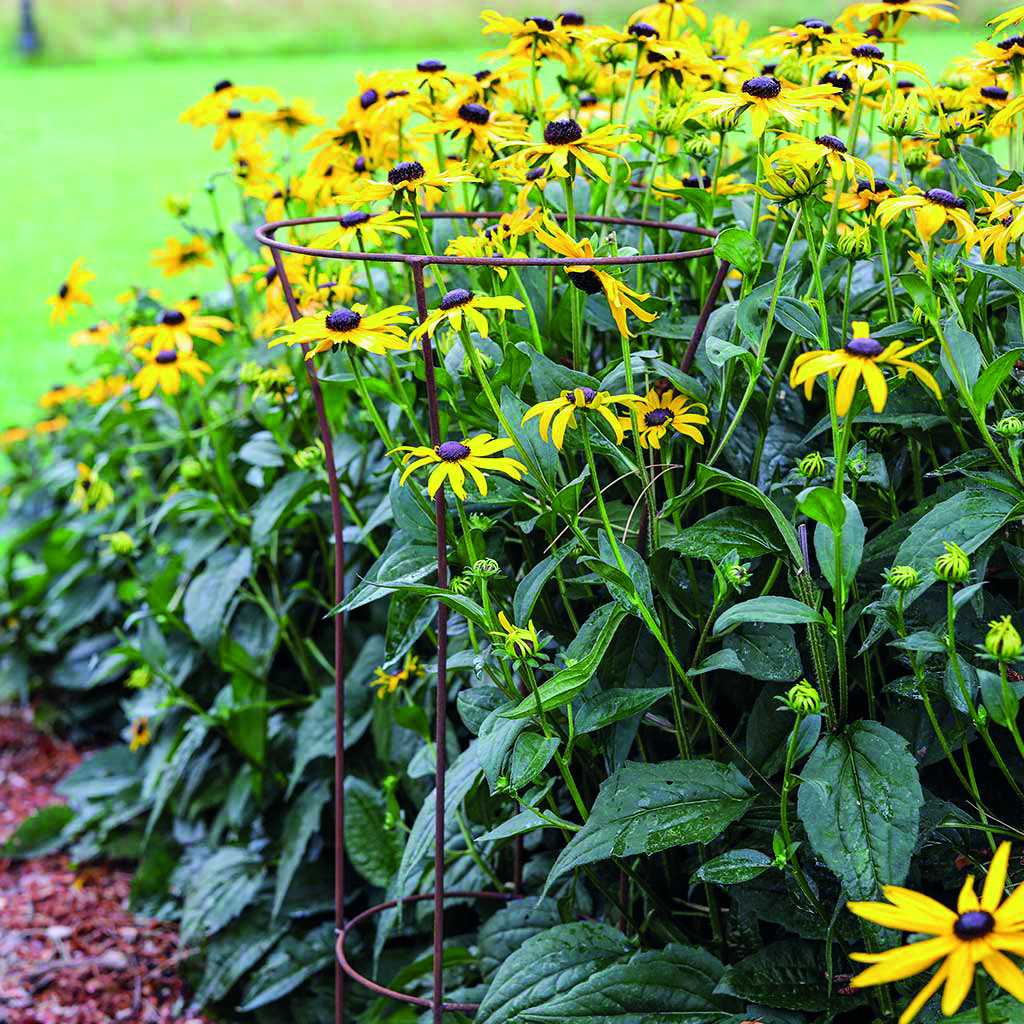
Dahlias, delphiniums, sunflowers and climbing plants often require additional support. Check existing stakes, ties and frames regularly to ensure they remain secure.
Tomato plants should be tied to canes or support systems as they grow, while climbing beans may need guidance to help them stay attached to their supports.
Providing support before plants collapse is far easier than attempting to rescue damaged specimens later.
4. Deadhead summer flowers
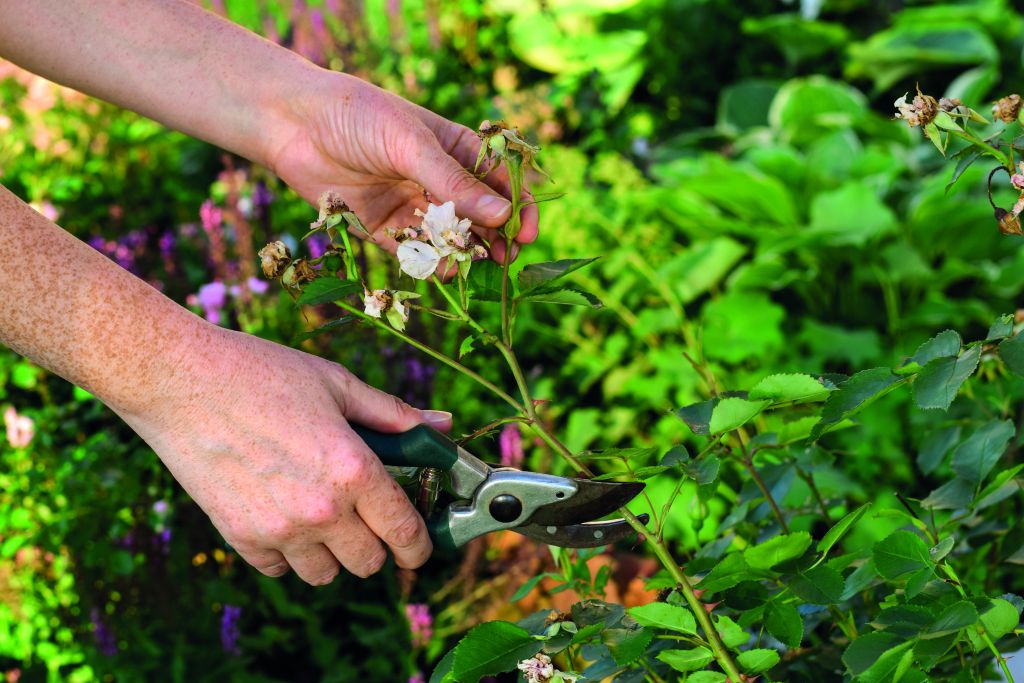
Deadheading is one of the simplest ways to keep flower borders looking attractive throughout July and beyond. Removing faded blooms prevents plants from putting energy into seed production and encourages them to continue flowering. Many popular summer flowers respond particularly well to regular deadheading, including roses, dahlias, cosmos, geraniums and bedding plants.
When deadheading, cut stems back to a healthy leaf or side shoot. This not only tidies the plant but often stimulates the production of new flower buds.
Spending time deadheading every few days can dramatically extend the flowering season and keep displays looking fresh and vibrant.
5. TLC for tomatoes
Tomatoes demand special attention during July as fruits begin to develop and ripen.
Outdoor and greenhouse tomatoes should be watered consistently to prevent problems such as fruit splitting and blossom end rot. Irregular watering can cause significant issues during hot weather.
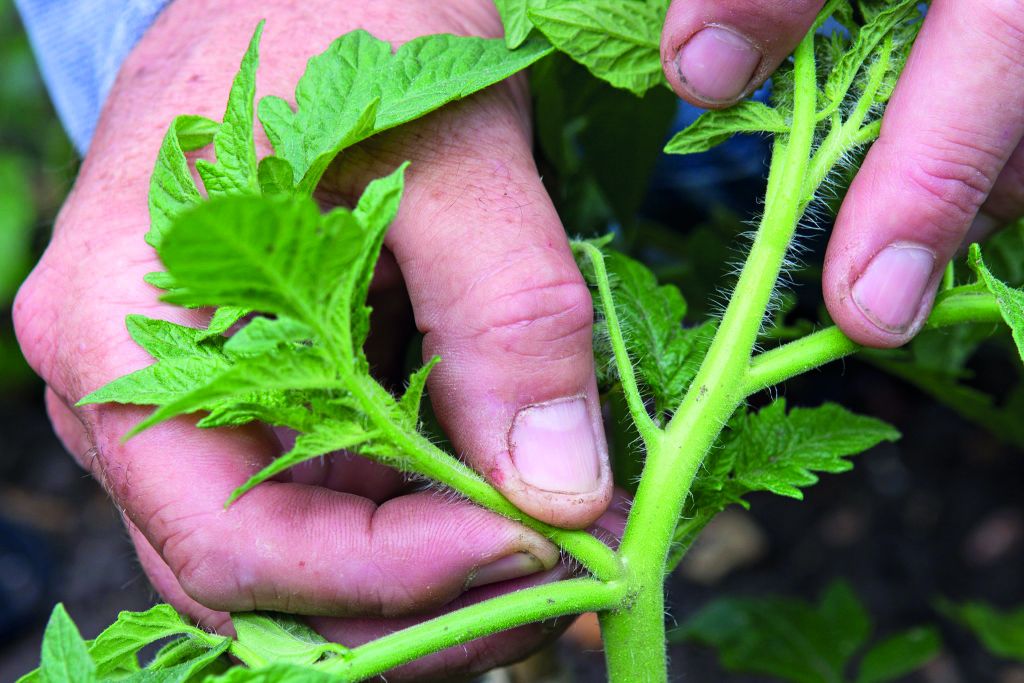
For cordon varieties, remove side shoots that develop in the leaf joints. This directs energy into fruit production rather than excessive leafy growth.
As plants become taller, continue tying stems securely to supports. Feeding weekly with a tomato fertiliser will help encourage a heavy crop of healthy fruits.
With proper care, tomato plants can remain highly productive throughout the rest of summer.
6. Sow crops for late summer and autumn
Although July is associated with harvesting, it is also an excellent time for sowing certain crops.
Fast-growing vegetables such as lettuce, radishes, spring onions and salad leaves can provide harvests within a few weeks. Other crops suitable for July sowing include beetroot, carrots, turnips and winter spinach.
By continuing to sow succession crops, gardeners can enjoy a longer harvesting season and avoid gluts followed by shortages.
Seeds often germinate quickly in warm summer soil, although additional watering may be required to keep seedbeds moist during dry periods.
7. Look out for pests and diseases
Warm weather can create ideal conditions for many garden pests and diseases.
Regular inspections allow problems to be identified and addressed before they become serious. Common July issues include aphids, whitefly, slugs, powdery mildew and black spot on roses.
Check the undersides of leaves, new shoots and flower buds where pests often gather. Encouraging beneficial wildlife such as birds, ladybirds and hoverflies can help maintain natural control.
8. Prune early flowering shrubs
Many spring and early-summer flowering shrubs benefit from pruning once flowering has finished.
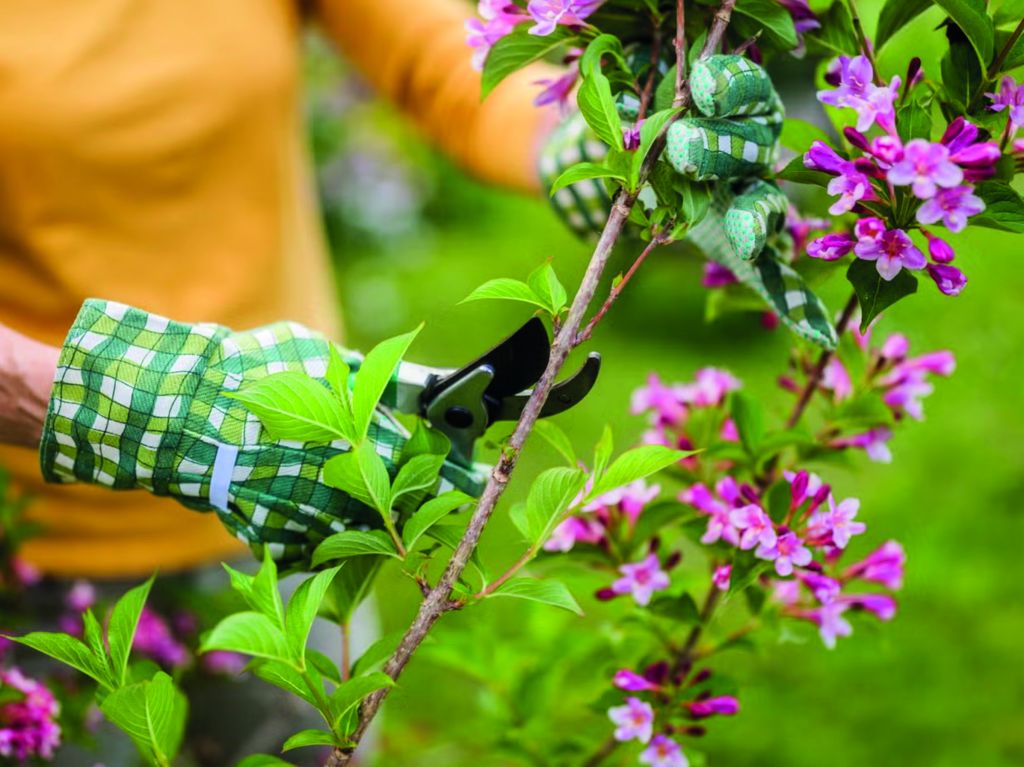
Plants such as philadelphus, weigela and some varieties of deutzia produce flowers on growth made during the previous year. Pruning immediately after flowering gives them time to develop new shoots that will carry next year’s blooms.
Remove spent flowering stems and any weak or congested growth. This helps maintain an attractive shape while encouraging healthy development.
Avoid delaying pruning too long, as late pruning can reduce flowering performance the following season.
9. Plan ahead for autumn and next year
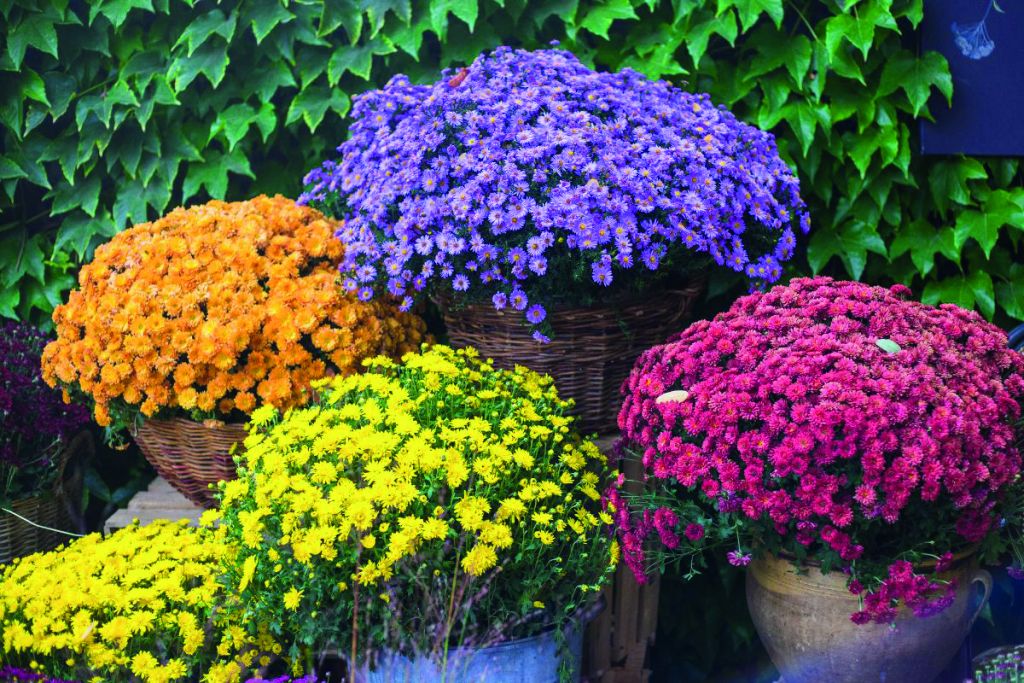
While July is full of immediate gardening tasks, it is also an ideal time to think ahead.
Make notes about which plants have performed particularly well, and which may need replacing. Consider where gaps have appeared in borders and which areas could benefit from additional colour or structure.