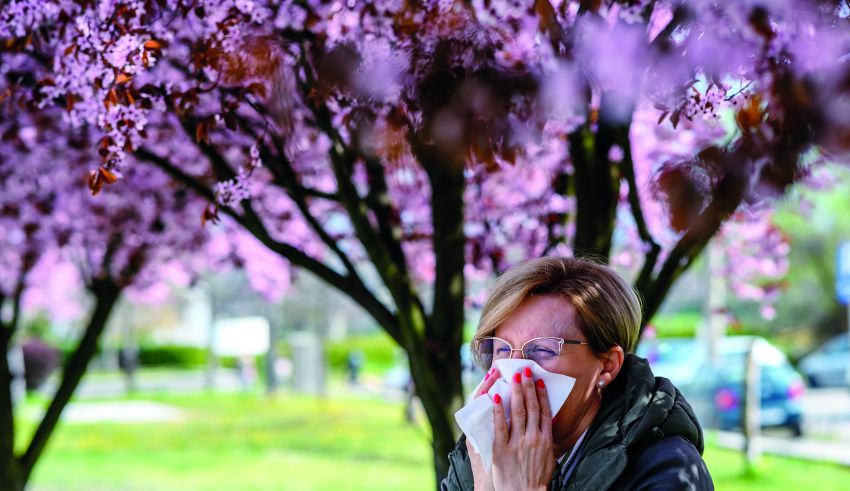
Practical solutions like replacing high allergen plants and shrubs and employing a sensible regime of grass cutting can do a lot to bring respite from another summer of sneezing.
For millions of gardeners, summer is not just a season of warmth and sunshine—it’s also the season of sneezing, itchy eyes, and blocked noses. Hay fever, or seasonal allergic rhinitis, can make what should be the best time of year feel miserable. But some careful gardening choices finding low allergen replacements and a learning better understanding of pollen in the garden, hay fever sufferers can ease their symptoms and reclaim summer.
The garden plant swaps every sufferer should know
Wind-pollinated species include most grasses, a lot of trees, and popular garden plants which release pollen in large quantities where it can be inhaled easily. Insect-pollinated plants have heavier, stickier pollen designed to cling to bees and other pollinators rather than drift through the air which makes them far less likely to cause a reaction.
| Allergenic plant | Low-allergy replacement | Why it’s better |
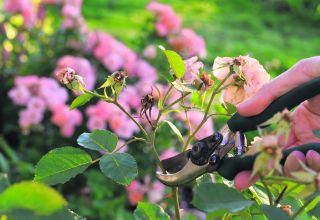
| Dahlia | Rose (modern double-flowered) | Rose pollen is too heavy and waxy to become airborne |
| Sunflower | Peony or hydrangea | Insect-pollinated; equally bold in a border |
| Daisy-family plants (Asteraceae: chrysanthemum, rudbeckia, marigold, gerbera) | Foxglove, snapdragon, or begonia | Insect-pollinated; no loss of colour in the border |
| Ornamental grasses | Hosta or fern | Hostas and ferns produce no airborne pollen and offer similar foliage texture |
The largest pollen source overlooked
Grass pollen is responsible for around 90 to 95 per cent of hay fever reactions. While most sufferers think of this in terms of parks and open countryside, a domestic lawn behaves in the same way, producing and releasing pollen throughout late spring and summer.
Mowing dramatically worsens this. Cutting the grass disturbs and launches clouds of pollen at close range, and many sufferers report their worst symptoms of the year following an afternoon of lawn maintenance.
For those who want to keep their lawn, mowing regularly prevents grass from flowering and releasing pollen, and doing it in the afternoon rather than the morning, when pollen counts are at their highest, reduces exposure. Lightly watering the lawn beforehand also helps weigh pollen down rather than sending it airborne.
The problem is worsened by weather. Warm, dry, and windy days spread pollen through the air, making it almost impossible to avoid. Wet or humid days, by contrast, tend to suppress pollen levels. In recent years, according to the Met Office, milder winters and longer growing seasons have meant higher and more prolonged pollen counts, stretching hay fever season from early spring well into autumn
Practical tips which might help
Beyond plant swaps and lawn changes, there are several simple habits that can make a significant difference to pollen exposure.
Garden between 12pm and 4pm
If you need to be outside, wearing wraparound sunglasses helps stop pollen getting into your eyes. A wide-brimmed hat can shield your face and hair and putting a dab of petroleum jelly (like Vaseline) around your nostrils traps pollen before it enters. Avoid cutting grass, walking through fields, or gardening when the forecast shows high pollen counts.
Pollen counts are highest in the early morning and again in the early evening as temperatures drop; midday is generally the lower-risk window for outdoor activity.
Shower and change after time in the garden
Pollen clings to hair, skin and clothing; washing it off prevents it from being brought indoors or transferring to furniture and bedding. The NHS also recommends showering and changing clothes after going outside to wash pollen off, and avoiding outdoor drying of laundry where pollen can stick to fabrics.
Wipe down garden furniture regularly during the summer
Pollen settles on outdoor surfaces and can cause a reaction when touched or when people sit close to it.
Water borders and the lawn before spending time outdoors
Dampening the garden helps weigh down pollen and keep it closer to the ground rather than circulating in the air.
Avoid having washing on the line on high-count days.
Clothes dried outside can accumulate significant amounts of pollen, which is then brought inside the house.
Keep pollen out
Shut windows and doors during high pollen counts, which usually peak in mid-morning and early evening. Vacuum with a HEPA filter and dust surfaces with a damp cloth to remove pollen particles around the home.
Making your garden hay fever-friendly
Many sufferers forget that pollen exposure doesn’t just happen in the countryside—it starts in their own back gardens. Not all plants are equal when it comes to allergies. The key difference lies between wind-pollinated and insect-pollinated plants.
Wind-pollinated plants, such as grasses, weeds, and many trees, release vast amounts of fine, lightweight pollen that travels long distances through the air—perfect for triggering allergic reactions. In contrast, insect-pollinated plants produce heavier pollen that clings to insects and rarely becomes airborne.
Grasses are the biggest culprits in early to mid-summer, while certain trees such as birch, oak, and cypress produce high pollen counts earlier in the year. Meanwhile, weeds like ragweed, plantain, and dock release pollen later in the season, keeping symptoms going well into autumn
To make your garden more pollen-safe haven, avoid high-allergen species such as:
- Birch, oak, elm, and sycamore trees – their tiny, lightweight pollen grains travel easily.
- Bermuda, timothy, and rye grasses – among the most common irritants.
- Weeds like ragweed, nettle, and mugwort – peak in late summer and can trigger severe hay fever.
- Male palm and cypress trees – heavy pollen producers; females are usually pollen-free.
Instead, opt for low-allergen, insect-pollinated plants, which are both attractive and safer. Excellent choices include begonias, petunias, pansies, snapdragons, viburnum shrubs, hardy geraniums, and penstemons. Fruiting trees such as pear, plum, and fig are also better options, especially in compact gardens.
Watering the garden regularly helps too. Moisture weighs down pollen, preventing it from dispersing into the air. Keeping lawns short—or replacing them altogether with paving, gravel, or groundcover plants—also reduces exposure. When gardening, wear a mask and gloves, and shower immediately afterward to remove clinging pollen grains.