September – the month of transition
September is one of the most rewarding months in the garden. The intense heat of summer has usually eased, the soil is still warm from months of sunshine, and autumn rainfall hopefully has just returned. These conditions create the perfect environment for planting, dividing and renovating the garden. While summer flowers may be fading, there is still plenty to enjoy, from late-flowering perennials to colourful berries and the first signs of autumn foliage. It is also an ideal time to prepare the garden for the colder months ahead, ensuring plants remain healthy and productive next year. September is a month of transition, making it the perfect opportunity to tidy, plant and plan for the changing seasons.
1. Divide overgrown perennials
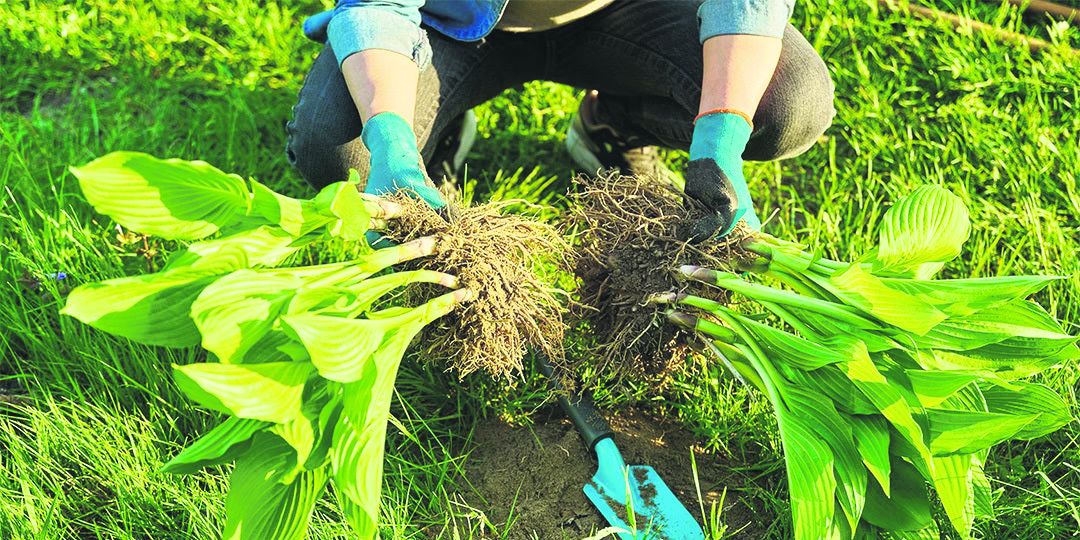
This is the ideal month to divide overcrowded herbaceous perennials. Plants such as hostas, daylilies, asters, hardy geraniums and Japanese anemones often become congested after several years, leading to reduced flowering and weaker growth. Dividing them not only rejuvenates the parent plant but also provides free new plants for other parts of the garden or to share with friends. Lift the entire clump carefully with a garden fork, preserving as much of the root system as possible. Use two forks back-to-back or a sharp spade to separate the plant into healthy sections, ensuring each division has strong roots and several shoots or buds. Replant immediately into well-prepared soil enriched with compost or organic matter and water thoroughly.
2. Plant spring-flowering bulbs
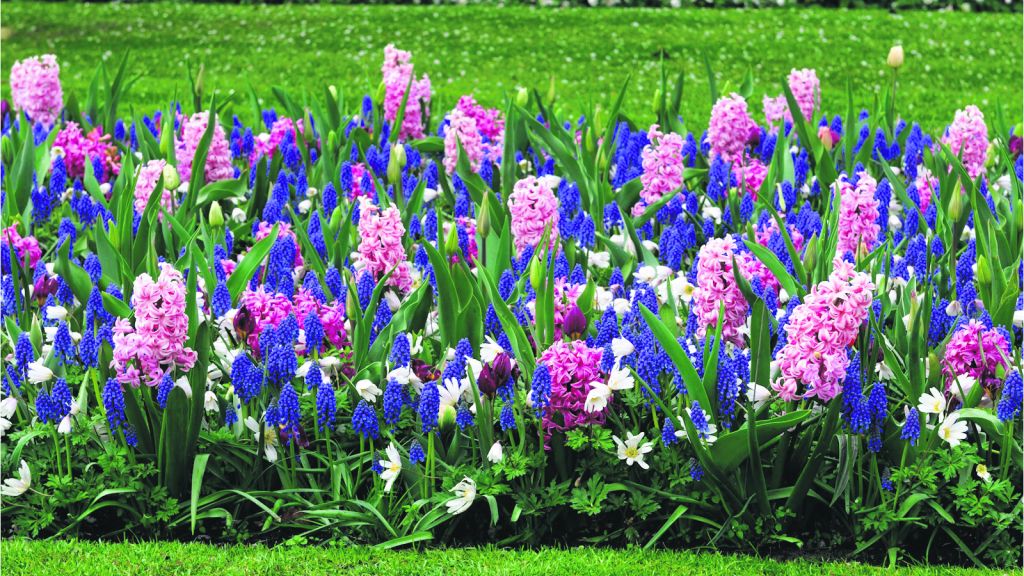
Start planning next spring’s display. Daffodils, crocuses, snowdrops and early flowering bulbs establish well while the soil remains warm, allowing them to develop strong root systems before winter. Choose a sunny or lightly shaded position with free-draining soil to avoid bulbs sitting in water during colder months. Plant bulbs at a depth roughly three times their own height, positioning them with the pointed end facing upwards. Natural-looking displays can be achieved by scattering bulbs across the ground and planting them where they land rather than arranging them in straight rows. Mixing varieties with different flowering times extends the display from late winter into spring.
3. Collect seeds for next year
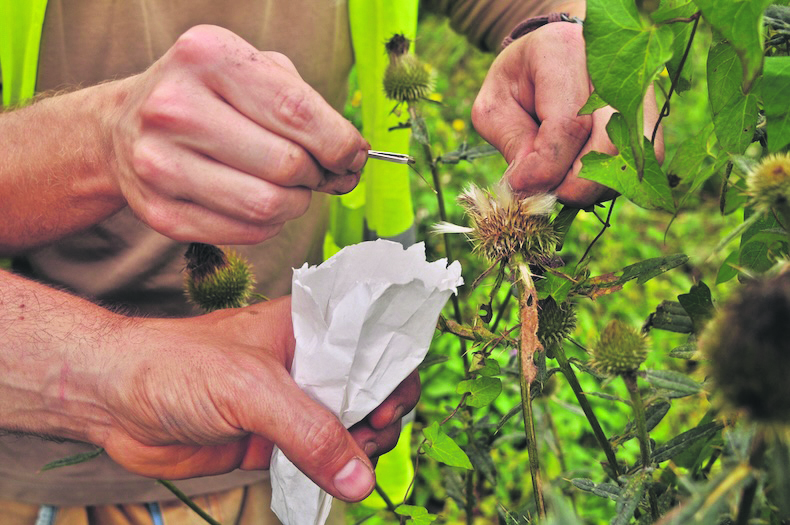
Collect seeds from many ornamental flowers before autumn weather scatters them naturally. Plants such as cosmos, calendula, sweet peas, poppies, nigella and foxgloves produce mature seed heads that can provide a plentiful supply of plants for next year at no extra cost. Wait until seed heads have fully ripened and turned brown before harvesting them on a dry day. Store collected seeds in labelled paper envelopes rather than plastic, allowing any remaining moisture to escape and preventing mould from developing. Keep them in a cool, dry, dark place throughout winter until sowing time arrives. Only collect seed from healthy, disease-free plants, and remember that seeds from hybrid varieties may not grow true to type.
4. Harvest maincrop potatoes with care
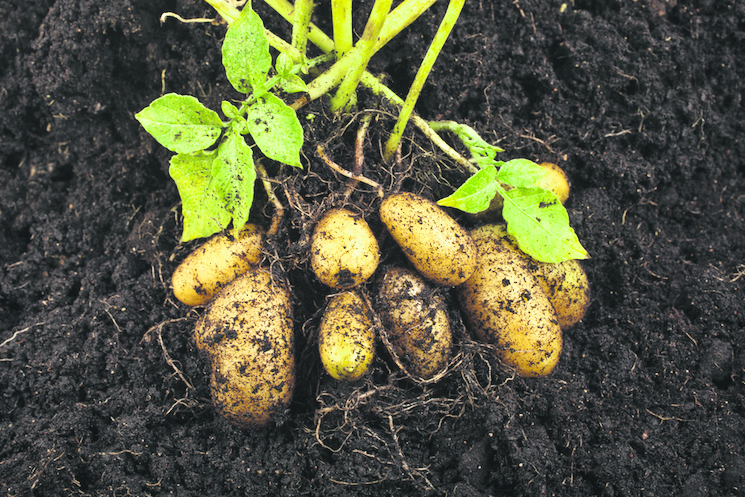
September is the key month for lifting maincrop potatoes, but timing is everything. Wait until the haulms have completely died back and the skins have set properly before harvesting. Test a few tubers by rubbing the skin with your thumb; if it remains firm, the crop is ready for lifting. Choose a dry day whenever possible and use a border fork rather than a spade to minimise accidental damage.
Allow freshly lifted tubers to lie on the soil surface for a couple of hours if conditions are dry. This enables excess moisture to evaporate and helps the skins harden further before storage. Never leave them exposed overnight, as dew encourages fungal diseases and slugs may quickly discover the crop.
Sort carefully, keeping only perfect tubers for winter storage. Any with cuts, bruises or signs of blight should be used immediately rather than stored.
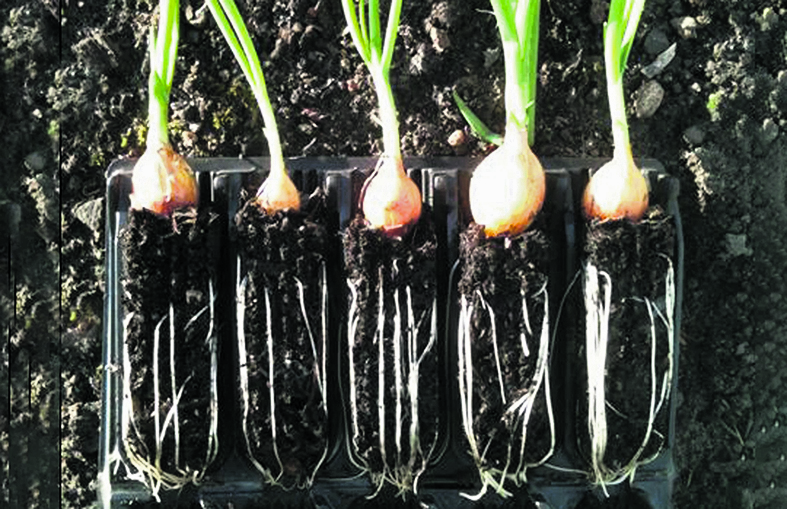
5. Plant overwintering onion sets
Now is the overwintering onion season. Modern varieties bred specifically for autumn planting establish rapidly while soil remains warm, then resume vigorous growth early next spring.
Choose fertile, well-drained ground in full sun. Heavy clay benefits from raised beds or ridging to improve winter drainage, as prolonged waterlogging greatly increases losses. Avoid freshly manured soil, which encourages soft growth and poor bulb formation.
Maintain weed-free beds throughout autumn. Weeds compete strongly during the slow-growing winter months, yet hoeing becomes difficult once bulbs begin swelling next spring. Remove any flower stems immediately if they appear, as bolting diverts energy away from bulb production.
6. Sow hardy salads
September remains an excellent sowing month for vegetable growers looking ahead to winter harvests. Winter lettuces, mizuna, rocket, spinach and oriental brassicas all perform well if established while soil temperatures remain warm.
Prepare seedbeds meticulously, removing weeds and incorporating a light dressing of balanced fertiliser where necessary. Avoid overfeeding leafy crops, as excessive nitrogen encourages lush, disease-prone growth later in autumn. Sow thinly in shallow drills and water consistently until germination is complete.
Successive sowings made two weeks apart provide a prolonged harvest rather than a glut. Thin seedlings promptly to maintain airflow, using the young leaves in mixed salads rather than discarding them.
7. Clear spent crops without clearing the soil
As beans, courgettes and sweetcorn finish cropping, resist the temptation to strip beds completely bare. Selective clearance preserves valuable soil biology while allowing productive succession planting wherever possible.
Remove diseased material immediately and dispose of it appropriately rather than composting infected foliage. Healthy residues, however, may be shredded for compost or incorporated into leaf mould systems. Bean roots deserve special attention; instead of pulling them out, cut stems at soil level and leave nitrogen-fixing root nodules to decompose naturally underground.
Any vacant ground should never remain exposed for long. Sow green manures, plant overwintering vegetables or mulch generously to protect soil structure from heavy autumn rainfall. Bare soil rapidly loses nutrients through leaching and becomes increasingly vulnerable to compaction.
8. Plant green manures
Where vegetable beds become vacant, green manures offer one of the most valuable investments an experienced gardener can make. Rather than allowing weeds to colonise empty soil, cover crops protect structure, suppress unwanted growth and improve fertility.
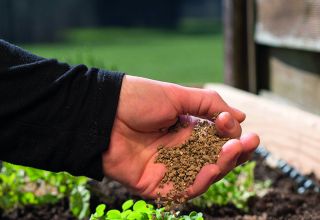
Grazing rye, field beans, crimson clover and winter tares all have their place depending upon soil type and intended spring planting schedule. Broadcast seed evenly over prepared ground before lightly raking and watering.
The developing canopy cushions soil against heavy rainfall, reducing erosion and nutrient loss throughout autumn and winter. Root systems also improve soil porosity while encouraging beneficial microbial activity. Leguminous green manures contribute useful nitrogen reserves for following crops, whereas rye excels at producing abundant organic matter.
In spring, cut growth before flowering and allow foliage to wilt slightly before incorporating it into the upper soil layer. Timing matters: bulky material requires several weeks to break down before sowing fine-seeded vegetables. Green manures represent one of the simplest methods of maintaining soil health while ensuring beds remain biologically active throughout the dormant season.
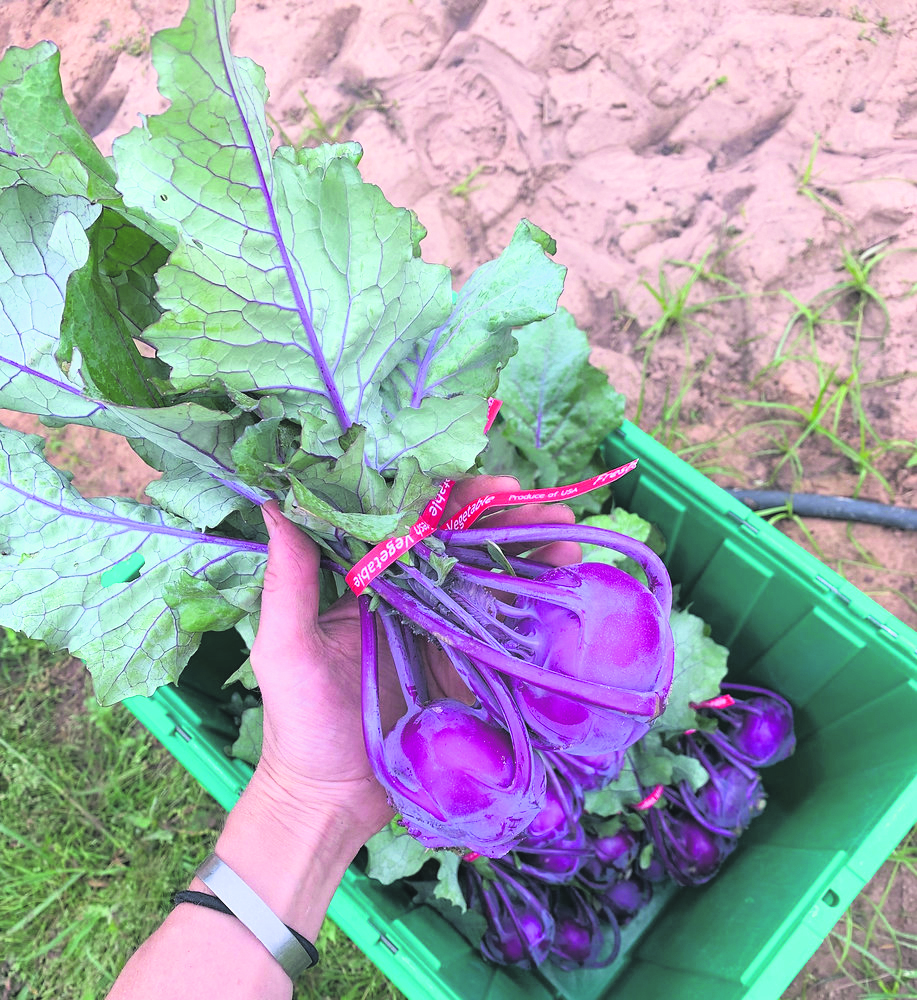
9. Feed brassicas for winter
Brassicas have entered their most important phase of development. Brussels sprouts begin forming buttons, winter cabbages bulk up, and kale prepares for months of productive picking. Regular inspection now has a profound influence on winter quality.
Remove yellowing lower leaves promptly to improve airflow and reduce disease pressure. Firm any plants loosened by summer winds, particularly Brussels sprouts, which become top-heavy later in autumn. In exposed gardens, staking or earth banking provides additional stability.
Continue watering deeply during prolonged dry spells. Uneven moisture encourages splitting in cabbages and interrupts steady development. Apply a potassium-rich fertiliser where soils are deficient, avoiding excessive nitrogen that promotes lush foliage instead of firm hearts.
10. Save seed from reliable crops
September offers ideal opportunities to collect seed from beans, peas, lettuce, herbs and many flowering companions growing around the productive garden.
Choose only vigorous, healthy plants displaying desirable characteristics such as disease resistance, productivity and flavour. Allow seed pods or flower heads to mature fully before harvesting, but act before prolonged autumn rain encourages mould or premature shedding.
Dry seed thoroughly in a warm, airy location out of direct sunlight. Spread material on paper rather than plastic, turning occasionally until completely dry. Remove chaff carefully and store cleaned seed in clearly labelled paper envelopes or airtight containers with silica gel where appropriate.
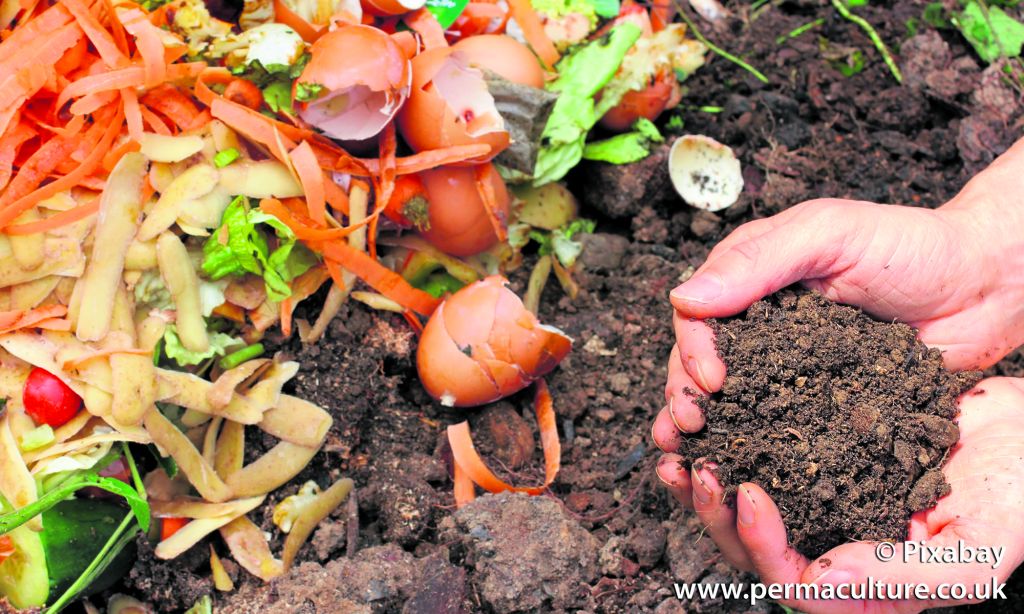
11. Prepare compost
September generates an abundance of compostable material, making it one of the busiest months for maintaining efficient compost systems. Spent annuals, vegetable trimmings, hedge clippings, fallen leaves and grass cuttings all contribute valuable ingredients when properly balanced.
Aim for alternating layers of nitrogen-rich greens and carbon-rich browns. Excessive grass quickly becomes slimy and anaerobic unless mixed generously with shredded stems, cardboard or dry leaves. Chopping bulky material accelerates decomposition considerably.
Turn active heaps if practical, introducing oxygen that stimulates beneficial microorganisms and raises internal temperatures. Moisture should resemble a wrung-out sponge; excessively wet heaps require additional coarse material, while dry heaps benefit from watering during prolonged drought.