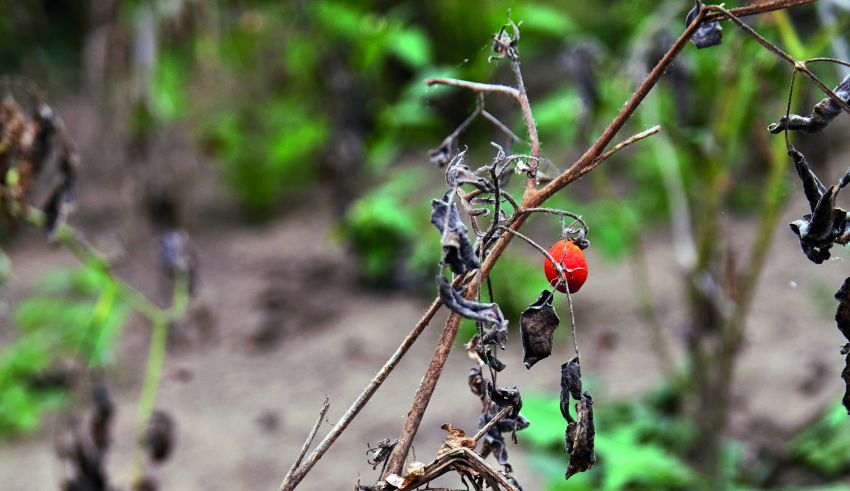
Dorset gardener Will Hamilton suggests long term planning rather than quick fixes are now needed to beat the drought conditions in our gardens which seem likely to be an issue every year.
As someone who has spent many years gardening, I have seen firsthand how challenging a hot, dry summer can be. Drought conditions place enormous stress on plants, reduce crop yields, and can quickly turn a thriving garden into a struggling one.
However, I believe that gardeners can successfully combat drought conditions by adopting long-term solutions rather than relying on short-term fixes.
Through careful planning, efficient water management, and thoughtful plant selection, it is possible to maintain a healthy and productive garden even during extended periods of dry weather.
I have always found one of the most effective long-term solutions is improving the soil. Healthy soil acts like a sponge, holding moisture for longer periods and making water available to plant roots when they need it most.
In my garden, I add compost, well-rotted manure, and organic matter to the soil. These improve soil structure and increase its ability to retain water. Over time, this reduces the frequency of watering and helps plants survive during dry spells. Building healthy soil is not an overnight process, but it provides lasting benefits year after year.
Mulching is another strategy. Applying a layer of organic mulch around plants helps reduce evaporation from the soil surface, keeps roots cooler, and suppresses weeds that compete for moisture.
I use bark chips, straw, leaf mould, or homemade compost as mulch. During particularly hot summers, I have noticed a significant difference between mulched and unmulched areas of my garden. The soil beneath the mulch remains damp for much longer, allowing plants to withstand periods without rainfall.
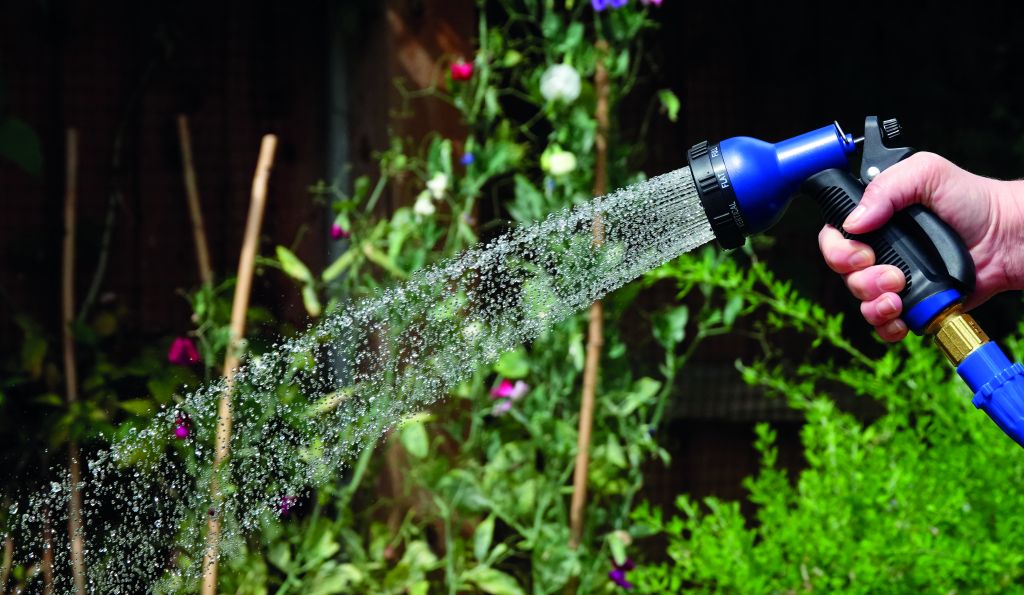
Rather than watering little and often, I prefer to water deeply and less frequently. This encourages plants to develop deeper root systems, making them more resilient during drought conditions. Watering early in the morning also reduces water loss through evaporation.
In my opinion, gardeners should avoid wasteful watering practices and instead focus on delivering water directly to plant roots. Installing drip irrigation systems or soaker hoses can make a substantial difference by providing targeted watering with minimal waste.
Collecting rainwater is another practical long-term measure. Although drought conditions mean less rainfall, every drop counts. I use water butts connected to roof gutters to collect rainwater whenever it is available. This stored water becomes an invaluable resource during dry periods and reduces dependence on mains water supplies.
Over the years, I have learned that choosing plants suited to local conditions reduces water requirements. Native species and drought-tolerant varieties are often better adapted to hot summers and require less maintenance. Lavender, rosemary, sedum, and many ornamental grasses perform exceptionally well in dry conditions.
Another important consideration is reducing the amount of traditional lawn area. Lawns typically require significant watering to stay green during droughts. In my garden, I have gradually replaced some grass areas with drought-resistant planting beds and gravel features. This not only conserves water but also adds visual interest and biodiversity. Many gardeners are now embracing more sustainable garden designs that require fewer resources while still providing beauty and enjoyment.
Finally, I believe that gardeners need to adopt a long-term mindset. Climate patterns suggest that hot summers and drought conditions may become more frequent in many regions. Rather than treating each drought as an isolated event, gardeners should design their gardens with resilience in mind. Improving soil, conserving water, selecting appropriate plants, and reducing unnecessary water use are investments that pay dividends over many years.
Combating drought conditions requires practical strategies and forward-thinking planning. While drought presents significant challenges, it also offers an opportunity to create gardens that are more resilient and dare I say capable of thriving in these changing climatic conditions.