It is time to get into the greenhouse and start to first clean up and then plan for the summer ahead. Growing under glass can be very rewarding but the secret is making an early start and don’t fall behind. Here’s some action points for your greenhouse which will ensure a successful summer.
Spring is without doubt the most important and satisfying times in the greenhouse.
The days are lengthening, light levels are increasing, and although nights may still be cold, the growing season is quietly under way. What you do now sets the foundation for the entire summer. Careful preparation, thoughtful sowing, and strategic planning will determine how productive and healthy your greenhouse and garden will be.
Start with a thorough clean
Before sowing a single seed, spring is the time for a deep clean. Over winter, greenhouses accumulate algae, moss, old plant debris, and potentially overwintering pests.
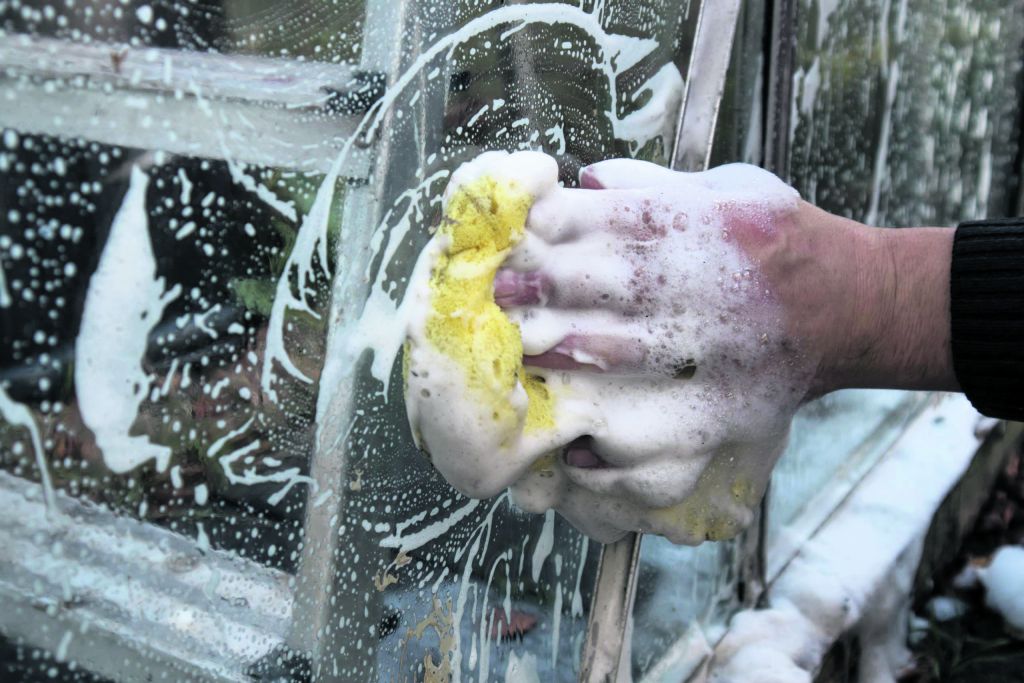
Remove all pots, trays, and staging. Wash down glass with warm soapy water or a specialist greenhouse disinfectant. Cleaning improves light transmission—crucial in early spring when light levels are still relatively low—and reduces the risk of fungal diseases such as damping off.
Scrub pots and seed trays thoroughly. Reusing unwashed containers is one of the most common causes of seedling disease. Good ventilation will become essential as temperatures rise.
Now is also the time to inspect heating systems, propagation mats, thermostats, and automatic vents. A single cold night can undo weeks of work if systems fail.
Pricking out and potting on
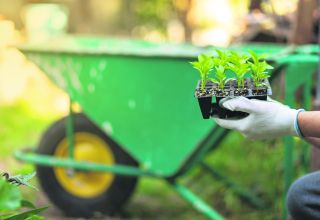
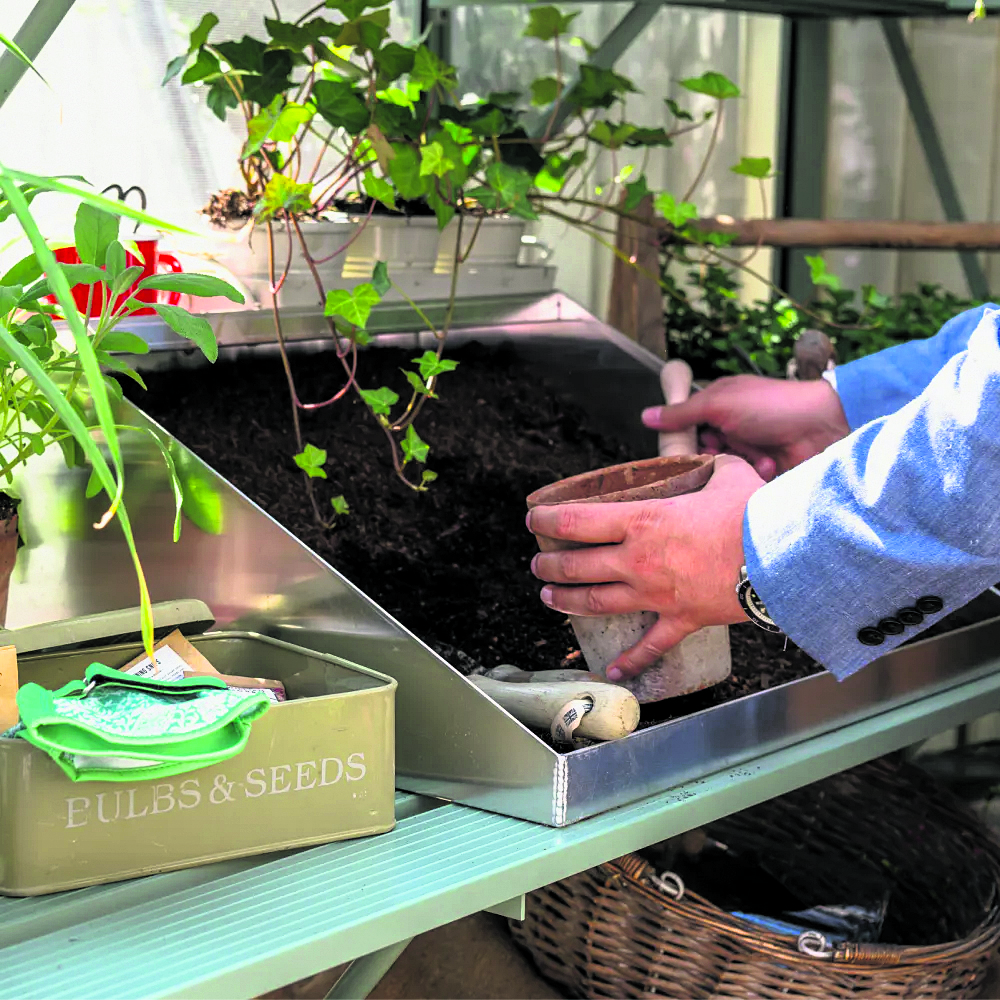
Seedlings sown in trays will soon need pricking out. Handle them gently by their leaves—not stems. Transplant into modules or small pots once true leaves appear.
As roots fill pots, move plants into progressively larger containers. This staged potting on prevents root-bound plants and supports steady growth.
Tomatoes, for example, benefit from being planted deeper at each stage, encouraging strong root systems.
Feeding and watering
Young seedlings require minimal feeding at first. Once established, start light feeding with a balanced liquid fertiliser.
Avoid overwatering. Early spring evaporation is slower than summer. Wet compost combined with cool temperatures can lead to root rot or damping off.
Water in the morning so foliage dries before nightfall.
Planning for summer crops
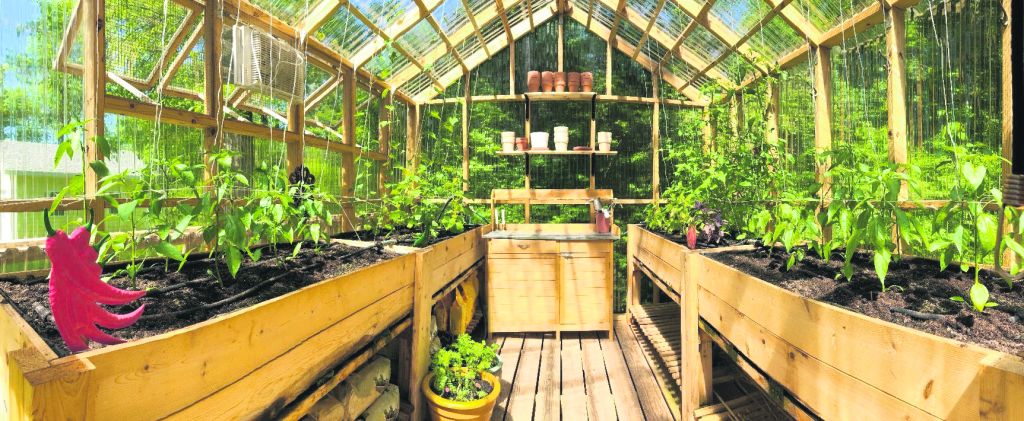
Early spring is not just about sowing—it’s about planning the greenhouse layout for summer.
Consider space allocation.
Decide how many tomato plants you realistically have space for. A crowded greenhouse invites disease. Plan to space carefully.
Consider:
- Vertical growing (cordon tomatoes)
- Hanging baskets for trailing crops
- Staging removal for taller summer plants
- Companion planting
- Integrate basil with tomatoes. Sow marigolds to deter pests. Plan herb placement for easy access.
- Succession sowing
Plan staggered sowings of salads, cucumbers, and courgettes. This prevents a glut followed by scarcity.
Preparing beds and containers
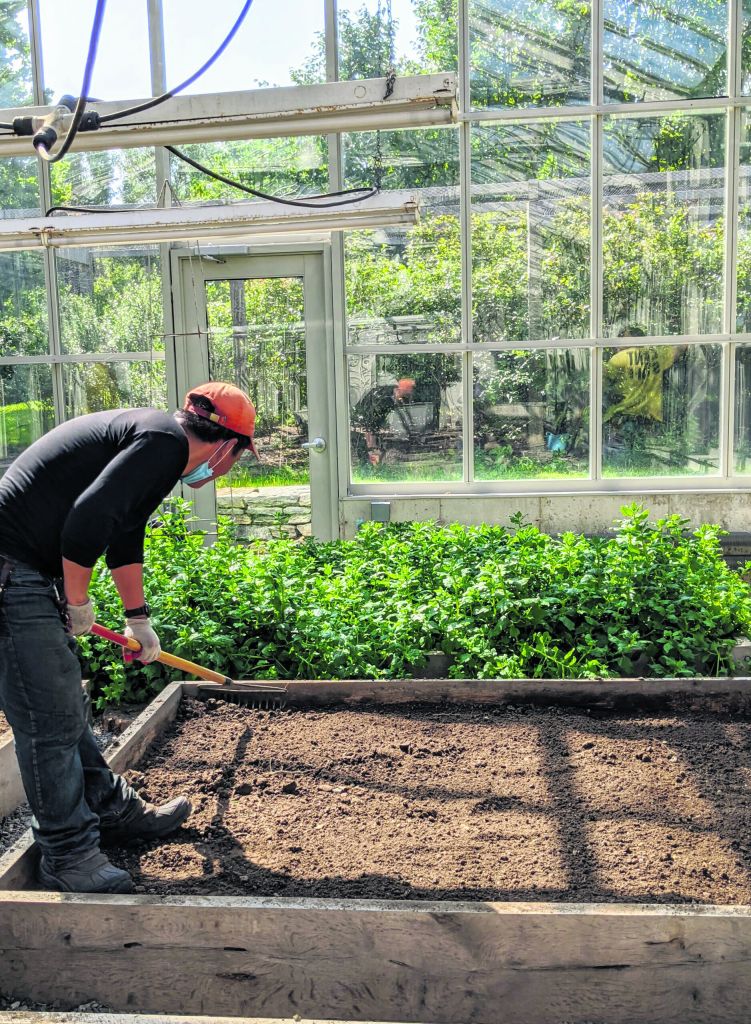
If you grow directly in greenhouse borders, enrich soil now with compost or well-rotted manure. Turn soil lightly and remove weeds.
For grow bags or containers, ensure adequate drainage. Pre-fill large pots so they’re ready when plants are.
Install supports early:
- Canes for tomatoes
- Trellis for cucumbers
- String systems for vertical growth
It’s easier to install supports before plants get large.
Record keeping and rotation planning
Good gardeners keep notes. Record sowing dates, germination times, and varieties. This helps refine future planning.
If you grow in greenhouse borders year after year, rotate crops where possible. Avoid planting tomatoes in the same soil repeatedly to reduce disease buildup.
What to sow in early spring
Vegetables
Greenhouse sowing in early spring allows you to get a head start on the growing season. Depending on your region, March is ideal for many crops.
Tomatoes
Tomatoes are a greenhouse staple. Varieties such as cherry, plum, and beefsteak types can all be sown now. Sow seeds in trays in gentle heat (18–21°C). Once seedlings develop true leaves, prick them out into individual pots.
Peppers and chillies
Peppers and chillies need a long growing season, so early sowing is essential. They require warmth—ideally 20–25°C for germination. Use a heated propagator if possible.
Aubergines
Like peppers, aubergines benefit from early sowing and consistent warmth. Keep seedlings in bright light to prevent legginess.
Cucumbers
Greenhouse cucumbers can be sown in early to mid-spring. Sow individually in small pots and keep warm. They grow quickly, so time sowing to avoid oversized plants before planting out.
Salad crops
- Lettuce
- Rocket
- Spinach
- Mustard greens
Leafy crops are excellent early greenhouse candidates:
These can be sown successionally every two weeks to ensure a continuous harvest.
Early brassicas
Cabbage, cauliflower, and calabrese can be started under cover for transplanting outdoors later
Herbs
Basil, parsley, coriander, chives, and dill all benefit from early sowing. Basil especially needs warmth.
Flowers
Early spring is also the time to sow many summer bedding plants and flowers.
- Cosmos
- Zinnias
- Marigolds
- Nicotiana
- Petunias
- Sweet peas
Sweet peas can be sown in deep pots or root trainers to encourage strong root systems. Annual flowers started now will flower earlier and longer through summer.