Andrea Harris looks at exactly what is happening with wildflowers in this country: what species are disappearing and what more is being done to halt their decline.
This country is home to a rich variety of wildflowers that have shaped its countryside for centuries. From colourful meadows to ancient woodlands and coastal grasslands, these plants provide beauty, support wildlife, and form an important part of the nation’s natural heritage. However, many rare wildflowers are disappearing from the landscape due to changes in farming, urban development, pollution, and climate change.
Wildflowers are flowering plants that grow naturally without being deliberately planted.
They play a vital role in ecosystems by providing food and shelter for insects, birds, and other animals. Pollinators such as bees, butterflies, and hoverflies rely on wildflowers for nectar and pollen, while many birds depend on the insects that these plants support.
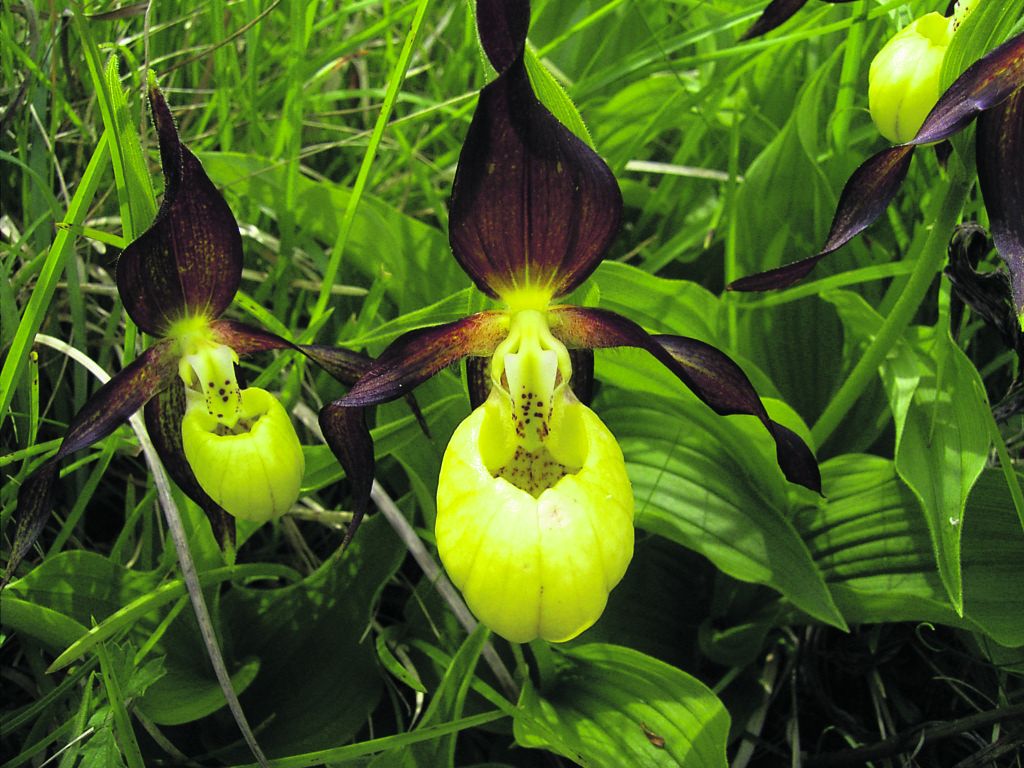
One of the most threatened wildflowers in the UK is the lady’s slipper orchid. Once widespread this striking orchid became extremely rare due to habitat destruction and illegal collection by plant enthusiasts. By the late twentieth century, only a single wild plant remained in England. Intensive conservation efforts, including propagation programmes and protection of remaining sites, have helped to increase its numbers, although it remains one of Britain’s rarest flowers.
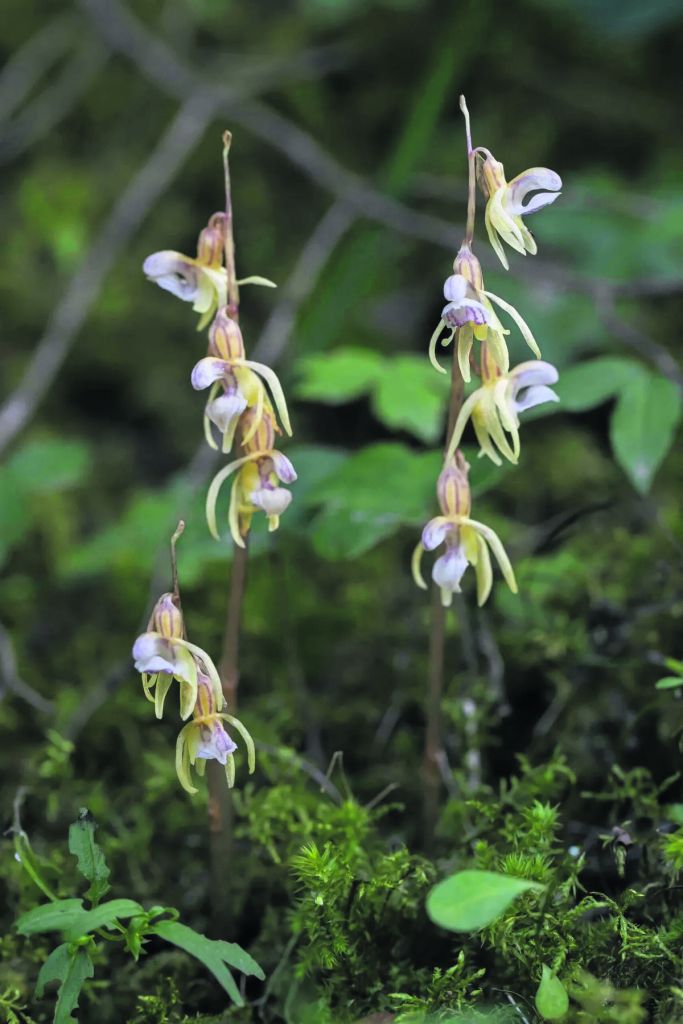
Another species facing challenges is the ghost orchid, a mysterious plant that spends much of its life underground and only occasionally produces flowers. It was once thought to be extinct in the UK before being rediscovered in a few woodland locations. Because it depends on specific fungi in the soil and particular woodland conditions, it is highly vulnerable to environmental change.
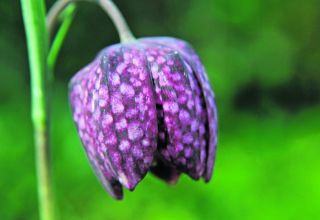
The snake’s-head fritillary is another iconic British wildflower that has declined significantly. Known for its distinctive purple, chequered petals, it was once common in damp meadows across southern England. Today, it survives mainly in protected nature reserves and carefully managed grasslands.
Many other species are also under threat, including meadow clary, military orchid, field gentian, and various species of marsh orchids. The common factor linking these plants is the loss of suitable habitats. Since the Second World War, agricultural intensification has transformed the countryside. Traditional hay meadows, which were rich in wildflowers, have largely disappeared as farmers increased production through fertilisers, pesticides, and more frequent mowing.
Urban expansion has contributed to the decline. Housing developments, roads, and industrial projects have replaced natural habitats, leaving isolated pockets of wildflower populations. Pollution from agriculture and industry can alter soil conditions, making it difficult for specialist plants to survive. Climate change adds another layer of pressure by affecting rainfall patterns, temperatures, and seasonal cycles.
Despite these challenges, significant efforts are underway to protect and restore rare wildflowers. Conservation organisations such as Plantlife, The Wildlife Trusts, and Royal Botanic Gardens, Kew are leading projects across the country. Their work includes habitat restoration, scientific research, seed collection, and public education.
One important strategy is the restoration of wildflower meadows. Conservation groups work with farmers and landowners to reintroduce traditional management techniques, such as reducing fertiliser use and allowing grasslands to be cut later in the year. These practices give wildflowers time to bloom and set seed, helping populations recover naturally.
Seed banks are another valuable conservation tool. By collecting and storing seeds from rare species, scientists can preserve genetic diversity and provide material for future reintroduction projects. Kew’s seed conservation programmes have helped safeguard many
The decline of rare wildflowers in the UK reflects broader environmental pressures on the natural world. However, their survival is not a lost cause. Through habitat restoration, scientific conservation, legal protection, and public engagement, many species have been given a chance to recover. Protecting these flowers is about more than preserving beautiful plants; it is about maintaining healthy ecosystems and ensuring that future generations can continue to enjoy the rich natural landscapes that have long been a part of Britain’s heritage.