Gardens should be about to enter a quieter, softer season. Will we soon see the end to the heatwave bursts and gardens getting back to autumn normality? Leaves are already changing colour prematurely and already lawns and borders are looking battered and untidy.
For wildlife, autumn is far from a time to put the garden to bed. In fact, the choices we make as gardeners during these weeks can make a huge difference to birds, insects, hedgehogs and countless other creatures preparing for the months ahead.
Rather than reaching for the secateurs, rake and garden waste bags, it’s the chance to consider allowing some of summer’s sunburnt growth to remain. A garden that looks slightly wild to us can provide an invaluable source of food and shelter for wildlife.
The beauty of a wildlife-friendly autumn garden is that it often requires less work rather than more. Instead of constantly cutting, sweeping, tidying and removing, you can allow natural processes to take over.
Seedheads feed birds. Fallen leaves shelter insects and enrich the soil. Decaying wood supports a whole community of organisms. Late flowers sustain pollinators. Dense vegetation gives small mammals somewhere to hide. Even a few weeds left to flower or set seed can contribute to the garden’s food web.
Leave seedheads for the birds
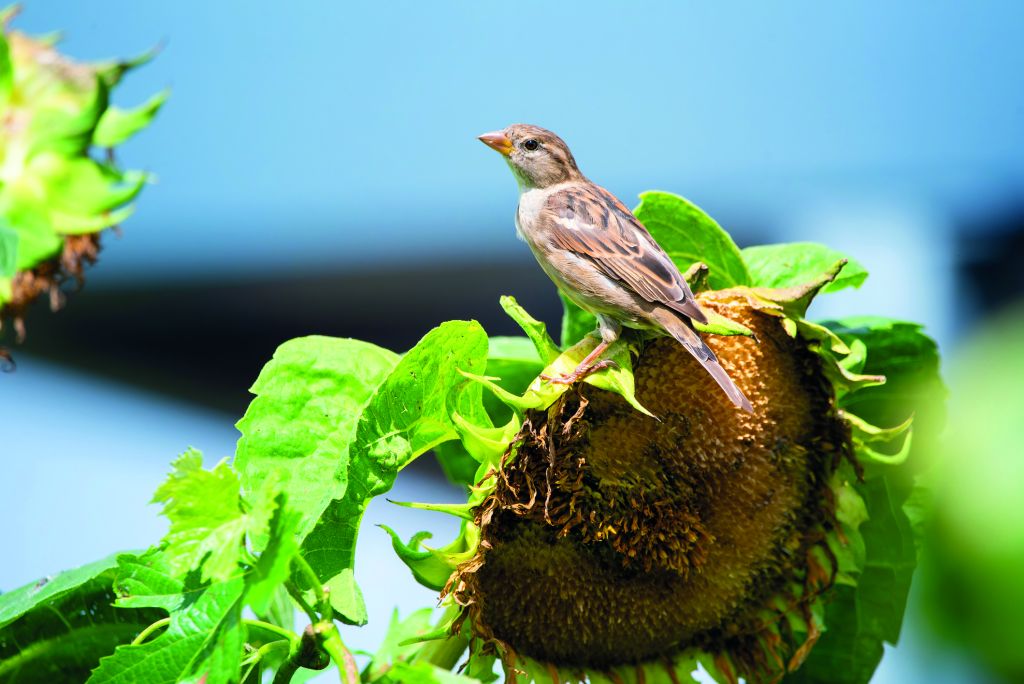
One of the simplest things you can do is resist cutting back every faded flower. Seedheads provide a natural food source for birds as summer flowers disappear and insects become harder to find.
Plants such as teasels, sunflowers, rudbeckias, echinaceas and ornamental grasses can produce abundant seeds that attract finches, sparrows and other seed-eating birds. Even plants that have finished flowering can continue to earn their place in the garden.
Instead of cutting everything down at the end of flowering, leave selected seedheads standing through autumn and, where practical, into winter. They can also provide valuable perching places for birds and add structure and texture to the garden during the colder months.
There is no need to abandon pruning altogether. If a plant is diseased, damaged or posing a genuine problem, it can still be cut back. But where stems are healthy, leaving them standing for a little longer can benefit wildlife.
Keep late-season flowers blooming
As many summer favourites finish flowering, late-season nectar sources become increasingly important. Bees, butterflies and other pollinating insects still need food as they build up their reserves for winter, so try to keep something flowering for as long as possible.
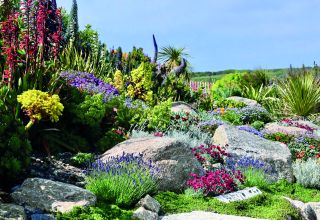
Late-flowering plants such as sedum, asters, Michaelmas daisies, salvias, verbena and single-flowered dahlias can provide valuable nectar well into autumn. Ivy is another particularly useful plant: its late flowers can feed a wide range of insects when fewer other sources are available, while its berries later provide food for birds.
You do not need a huge garden to make a difference. A few pots of late-flowering plants on a patio or balcony can provide a useful feeding station for insects. If you have borders, try to create a succession of flowers so that there is always something available from spring through to autumn.
Create cosy places for insects
Wildlife needs more than food. As temperatures fall, insects need safe places in which to shelter from cold, wind and rain.
Leaving some fallen leaves beneath shrubs and trees is one easy way to help. Leaf litter provides cover for insects and other small creatures, while gradually breaking down and returning nutrients to the soil.
Dead wood provides habitat for beetles, woodlice, fungi and other organisms, contributing to a miniature ecosystem that might otherwise be absent from a highly managed garden.
If you have space, a simple pile of twigs, hollow stems and prunings can also provide useful shelter. You do not necessarily need to buy a purpose-built insect hotel; natural materials left in the right place can be just as valuable.
Make the garden hedgehog-friendly
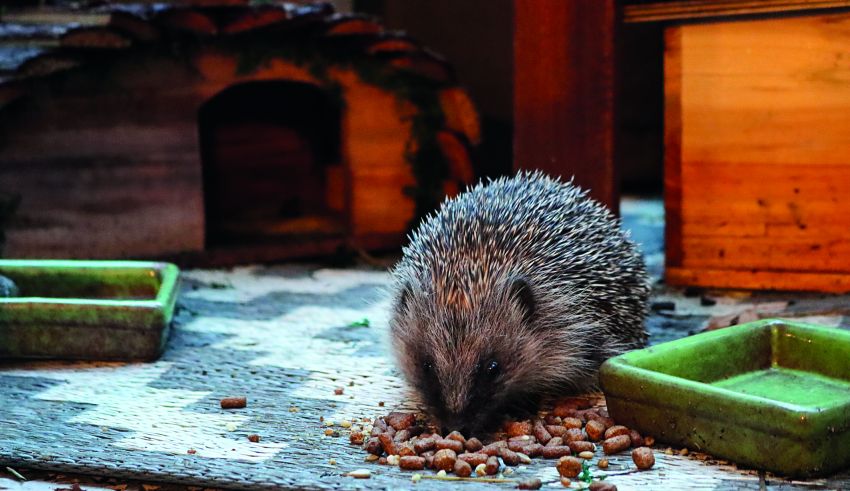
Hedgehogs need safe places to forage and rest, particularly as they prepare for hibernation. A garden with a little more natural cover can offer them valuable habitat.
Leave areas of longer grass, leaf litter and low-growing vegetation where possible. A dense shrub, log pile or compost area can provide shelter and encourage the insects and other invertebrates that hedgehogs feed on.
Resist the urge to make everything immaculate
Perhaps the most important autumn gardening habit is learning to tolerate a little mess.
A perfectly tidy garden, with every leaf swept away, every stem cut to the ground and every border stripped back, may look orderly, but it can offer surprisingly little habitat. Wildlife benefits from layers: living plants above ground, fallen leaves beneath them, decaying wood, patches of bare soil and dense vegetation all provide different opportunities for different creatures.
This does not mean your garden has to become completely wild. Instead, think about creating a balance between cultivated and natural areas.
Be thoughtful with autumn clean-up
If you are clearing leaves from lawns or paths, consider where they can be put to better use. Instead of sending all your garden waste away, collect leaves into a dedicated leaf-mould pile, or move them beneath trees and shrubs where they can provide cover and eventually improve the soil.
Avoid using pesticides and insecticides unless necessary.
Take care, too, when using strimmers, mowers and other machinery around long grass, leaf piles and dense vegetation. Slow down and inspect areas before cutting, particularly where wildlife might be sheltering.