Winter may seem like a quiet time in the garden, but it’s one of the most crucial seasons for preparation, protection, and planning. Between November and February, nature slows down, but gardeners can take advantage of this pause to tidy, repair, and set the stage for the coming year. The work you do between November and February sets the stage for a flourishing spring.
Whether it’s insulating tender plants, pruning fruit trees, cleaning tools, or feeding hungry birds, every task contributes to a healthier, more resilient garden. By staying active through the colder months, you’ll greet the first signs of spring ready — with soil rich, tools sharpened and plans in place for a vibrant year ahead.
1. Cleanup and preparation
Before the depths of winter set in, the garden benefits from a thorough cleanup.
In November clear fallen leaves from lawns, paths, and flower beds to prevent them from smothering grass or harbouring slugs. Compost the leaves or use them to make leaf mould, an excellent soil conditioner. Tidy up old plant debris and cut down perennials that have completely died back. However, consider leaving some seed heads, such as those of echinacea or sedum, for visual interest and to provide food for birds. Throughout December and January, continue to remove any fallen branches or debris after windy weather. As the days lengthen slightly, reassess the garden structure — clear out dead material and make way for early bulbs pushing through.
2. Invest time and energy into composting and soil care
The next few weeks provide gardeners with the ideal time to feed and rejuvenate the soil.
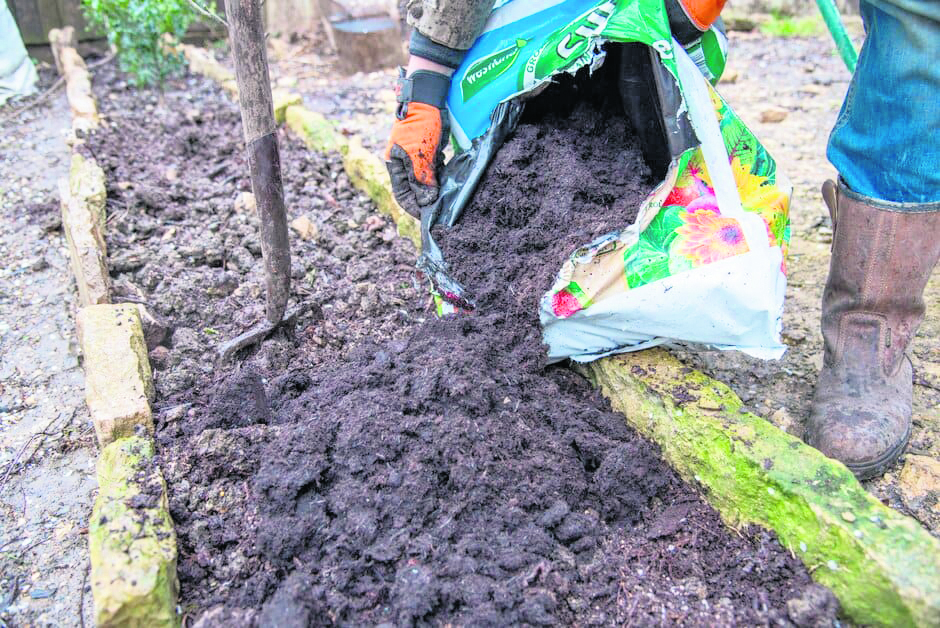
Turn compost heaps in November to aerate them and speed up decomposition. If you have room, start a second heap so you can leave the first to mature. Spread a layer of organic matter — such as compost, well-rotted manure, or leaf mould — over vegetable beds and borders. This acts as a mulch, protects the soil from erosion, and will be drawn down by worms over the winter. Avoid digging soil when it’s wet or frozen; you’ll damage its structure. However, on dry days in rough-dig new areas, leaving the clods exposed to frost — this naturally breaks them down, creating a fine tilth by spring.
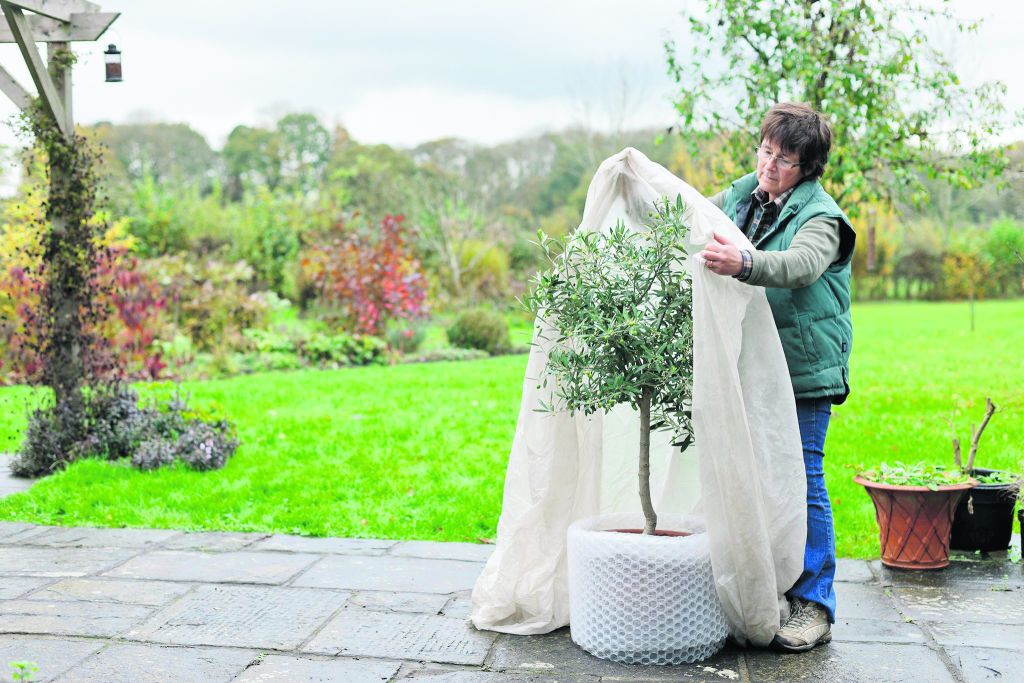
3. Protecting your plants from frost
Frost, snow, and cold winds can devastate tender plants and ruin all the time love and cost you have invested in shrubs, trees and plants.
In November, move potted plants like fuchsias, pelargoniums, and citrus indoors or into a greenhouse. For semi-hardy perennials such as agapanthus or penstemons, mulch around the base with straw or bark to insulate roots. Use horticultural fleece to wrap vulnerable shrubs, particularly young or newly planted ones. In exposed gardens, windbreaks made from woven panels or mesh can make a huge difference.
Check pots throughout December and January to ensure they’re not sitting in water, as frozen roots can easily kill a plant. Elevate containers on pot feet or bricks to improve drainage.
In the New Year start checking for signs of regrowth and gradually remove coverings during mild spells to prevent plants from becoming too damp or mouldy.
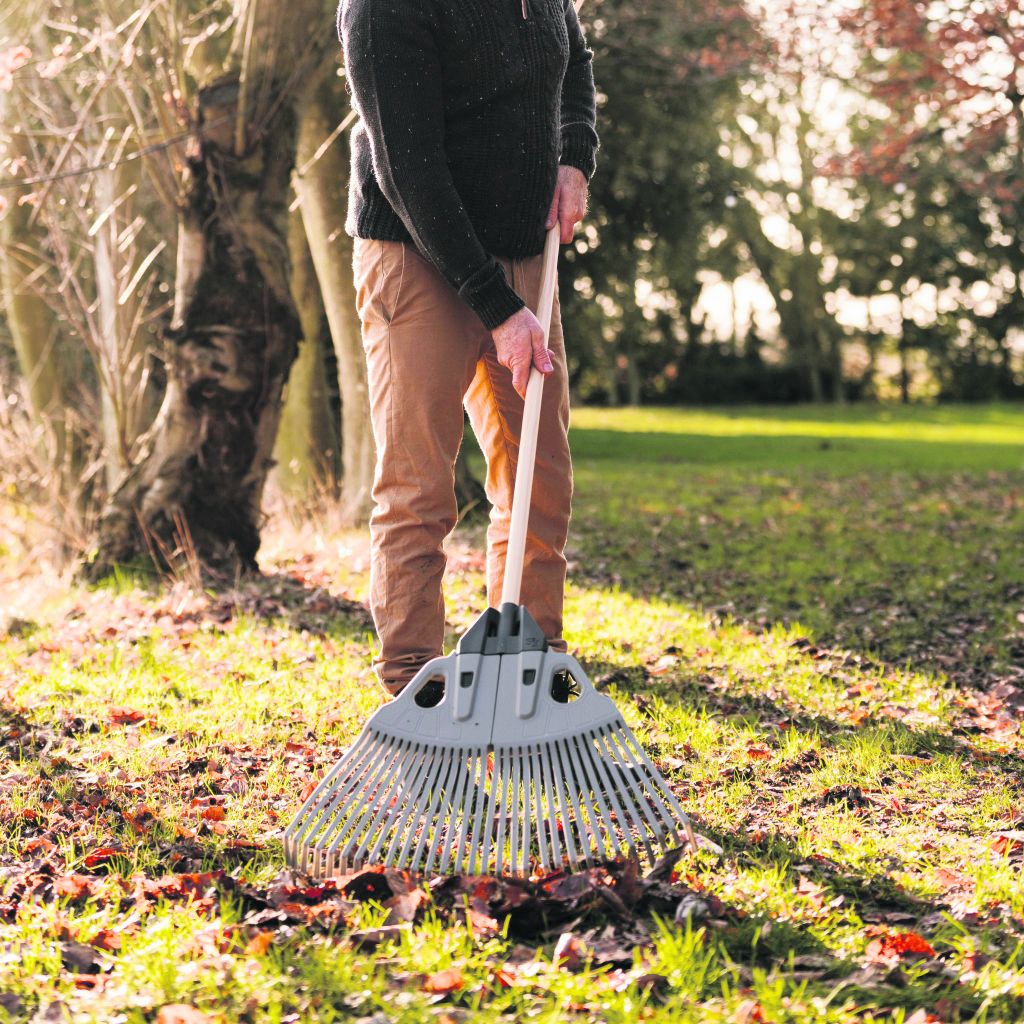
4. Don’t ignore your lawn for 12 weeks!
Lawn care doesn’t stop completely over winter — it just changes focus.
From now on reduce mowing frequency, cutting only on dry days when the grass is long enough to warrant it. Keep the mower blades set high to avoid scalping. Rake up fallen leaves regularly to let light and air reach the grass. If the ground is waterlogged, avoid walking on it to prevent compaction. In December and January, aerate the lawn if drainage is poor by spiking it with a garden fork. For moss-prone areas, brush in a layer of coarse sand or grit. Come the New Year, you can begin light feeding with a low-nitrogen fertiliser if the weather is mild — this helps the lawn green up gradually in spring.
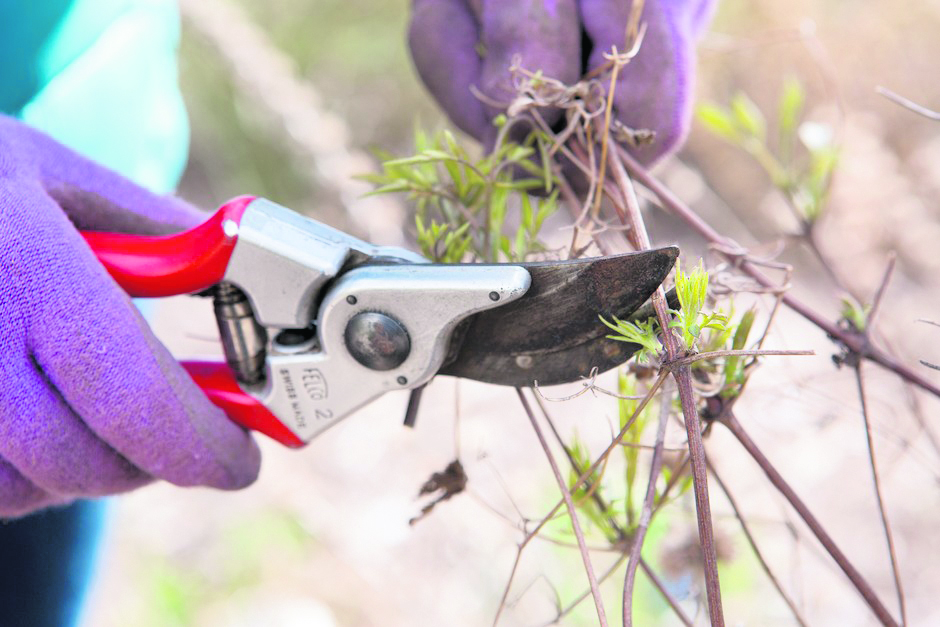
5. Winter is still the time to prune
Winter is pruning season for many deciduous plants, as their bare branches make it easier to see the shape.
Before Christmas prune roses (except ramblers) to half their height to prevent wind rock. Tidy up late-flowering shrubs like buddleia, cutting them back by about a third.
From December to February, prune fruit trees such as apples and pears (but not stone fruits like cherries or plums, which should wait until summer to avoid disease). Remove crossing, dead, or crowded branches to maintain an open framework.
Hard-prune wisteria, cutting back last year’s growth to two or three buds. For deciduous hedges like beech or hawthorn, winter trimming helps maintain a neat shape before nesting birds arrive in spring.

6. Don’t let the greenhouse go to pot!
A clean, well-maintained greenhouse is invaluable through the winter months.
Give the glass a thorough wash to maximize light levels. Check that heaters or frost protection systems are working and replace any damaged panes or seals.
Ventilate the greenhouse on dry, mild days to reduce humidity and prevent fungal diseases. Keep an eye on overwintering tender plants — water sparingly but don’t let them dry out completely.
After Christmas clean staging, pots, and seed trays to prepare for spring sowing. Disinfect propagators and check for pests like aphids or red spider mites that can persist even in cooler weather.
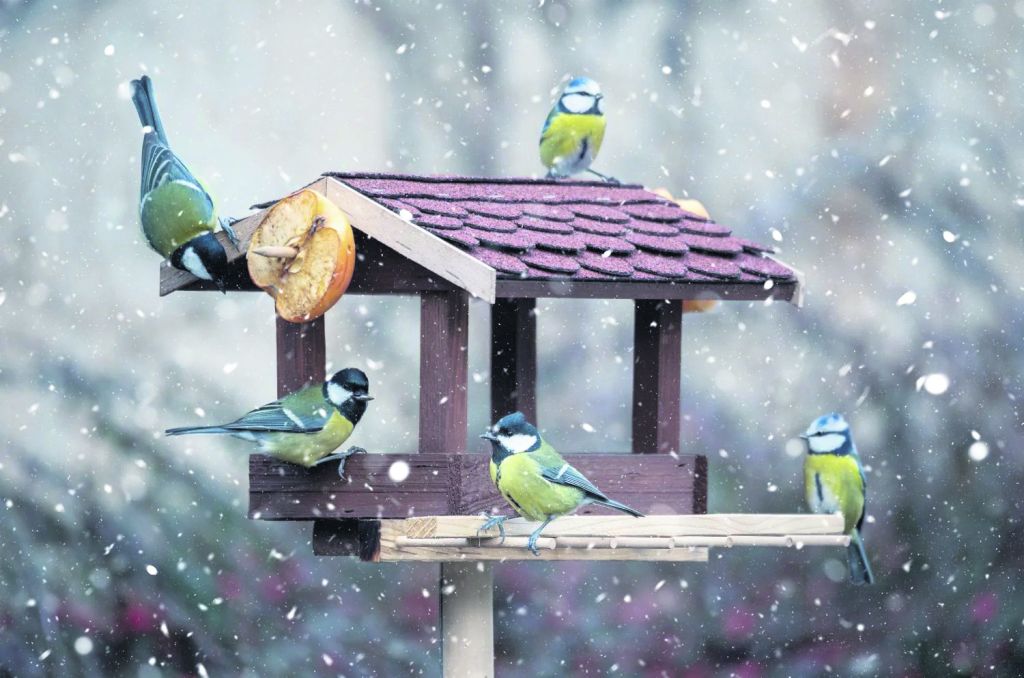
7. Remember wildlife
Winter can be tough on garden wildlife, so it’s important to provide food, water, and shelter.
Clean and refill bird feeders regularly with a mix of seeds, suet, and peanuts. Keep a supply of fresh water available, breaking any ice that forms.
Leave some areas of the garden untidy — log piles, leaf heaps, and hollow stems offer valuable winter refuge for insects, frogs, and hedgehogs.
Through December and January, avoid disturbing hibernating animals, and ensure bird baths are topped up daily.
By February, you may notice increased bird activity as they prepare to nest. Consider putting up new bird boxes and cleaning existing ones before the breeding season begins.
8. Give proper attention to fruit
Fruit trees and bushes benefit from attention during dormancy.
In November, prune currants and gooseberries to an open, goblet shape. Mulch around the base with compost to conserve moisture and suppress weeds.
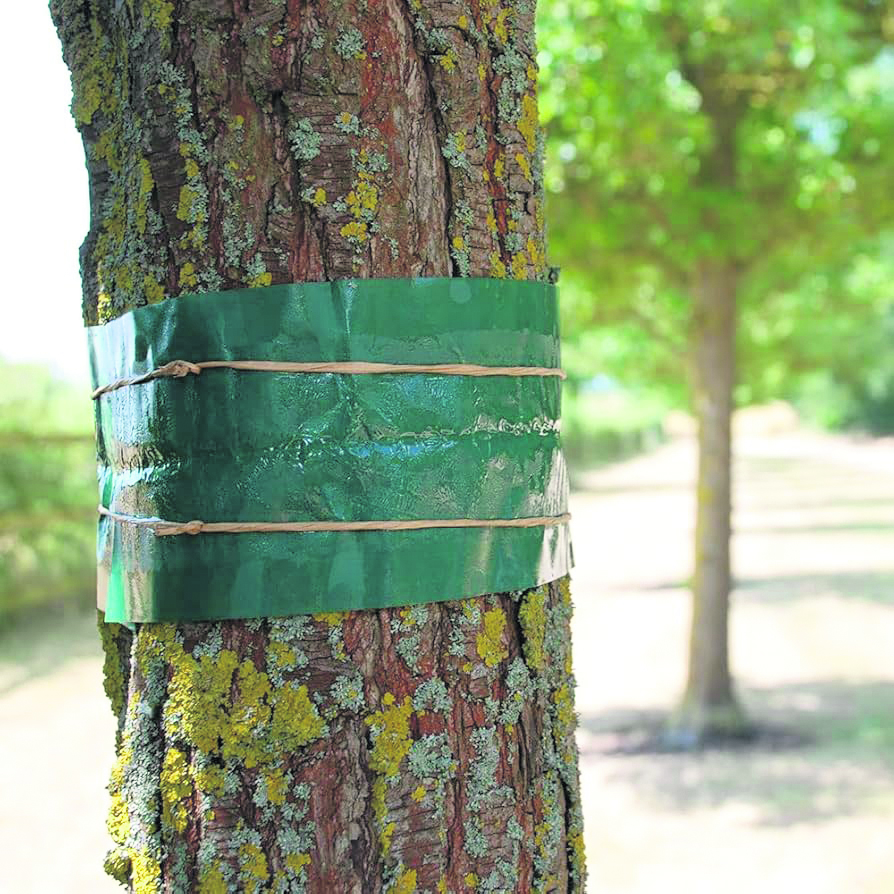
From December through January, check ties and stakes on young trees and replace any that have loosened in strong winds. Apply grease bands or sticky traps to prevent pests like winter moths.
After Christmas is ideal for planting bare-root fruit trees and bushes, as the soil is usually moist and roots can establish before growth begins. Also prune autumn-fruiting raspberries, cutting all canes back to ground level.
9. Plan your veg for next year
Winter is the vegetable gardener’s planning and preparation season.
In November, harvest remaining root crops like carrots, parsnips, and beetroot. Lift leeks and cabbages as needed and protect winter greens from pigeons with netting.
Prepare empty beds with compost or manure, and plant garlic and broad beans for early crops. Cover beds with cloches or fleece to keep soil workable.
During December and January, check stored vegetables for rot and remove any spoiled ones. Continue harvesting winter brassicas and parsnips — they sweeten after frost.
Then start sowing early crops under cover — lettuce, radish, and onions — and chit seed potatoes in trays to encourage sprouting for spring planting.

10. Plenty to do in the borders
Perennial borders enter their resting phase in winter, but there’s still plenty to do.
In November, cut down dead stems unless they provide winter interest or seed for wildlife. Divide overgrown clumps of herbaceous perennials like daylilies or hostas.
Mulch borders after the first frost with compost or bark to insulate roots.
In December and January, check that stakes and plant supports are secure and not damaging plants in windy weather.
By February, early bulbs such as snowdrops, crocuses, and aconites will begin to bloom; deadhead faded flowers to prolong the display, and mark clumps for dividing after flowering.

11. Keep gardening indoors
Not all gardening stops at the back door — winter is the time to nurture indoor greenery too.
In November, move tender plants inside before frost hits. Place them in bright spots but away from direct heat sources.
Throughout December and January, reduce watering as most houseplants slow their growth. Wipe dust from leaves to improve photosynthesis and check for pests such as spider mites.
After Christmas resume feeding lightly with a balanced fertiliser as daylight increases. Repot root-bound plants and take cuttings of vigorous species to propagate for spring.
12. Plan your patio for next spring
Container plants are particularly vulnerable to freezing temperatures.
Over the next few weeks move pots close to the house or into a sheltered spot. Wrap containers in bubble wrap or hessian to insulate roots. Check that pots have good drainage — raise them off the ground on feet or tiles. Through December and January, water sparingly; plants need only enough moisture to keep roots from drying out.
Then begin feeding overwintered plants lightly with a liquid fertiliser to encourage early growth, and repot any that have become root-bound.
13. Tools need some TLC
Winter provides the perfect opportunity to clean, repair, and organize your garden tools.
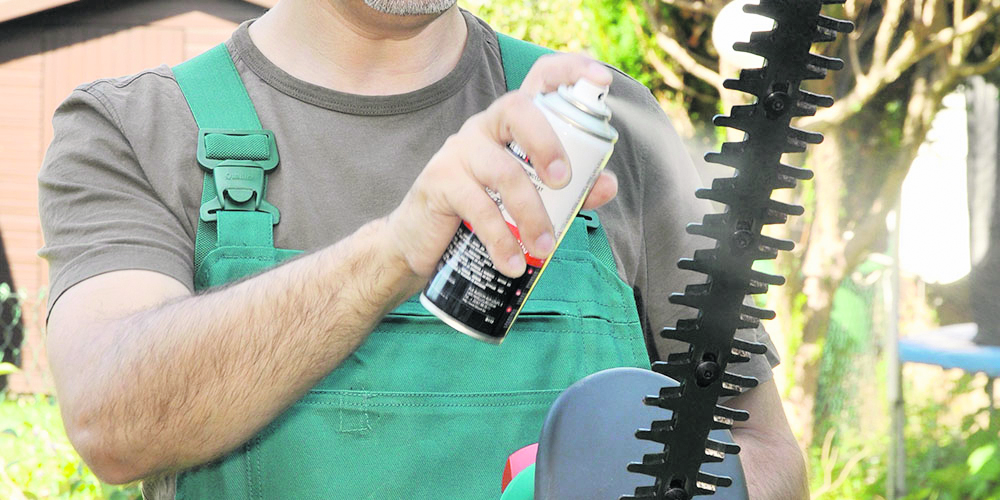
In November, gather everything in one place — secateurs, spades, hoes, mowers, and hand tools. Clean off soil and rust, sharpen blades, and oil moving parts.
Throughout December and January, check and service machinery such as mowers and strimmers. Replace worn cords or filters and store tools in a dry place to prevent corrosion. Your equipment will be ready for the busy spring season. A well-organised tool shed makes future tasks faster and more enjoyable.
14. Repair work in earnest
Winter’s relative lull makes it an excellent time for construction and repair projects.
In November and December, tackle paving, fencing, decking, or raised beds — before soil becomes too hard or wet. Paint or treat wooden structures to protect them from moisture damage.
January often offers crisp, dry days perfect for laying paths, edging lawns, or building compost bays. Check garden lighting and replace bulbs as needed.
Inspect trellises, pergolas, and supports for climbing plants — repair or strengthen them before growth resumes in spring.
15. Month-by-month action plan
November
Clear leaves, tidy beds, and mulch borders.
Move tender plants indoors.
Prune roses and certain shrubs.
Plant garlic, broad beans, and bare-root fruit.
December
Clean greenhouse and tools.
Feed birds and protect wildlife.
Continue harvesting hardy veg.
Check structures and fences after storms.
January
Plan next season’s crops and garden layout.
Prune apple and pear trees.
Aerate lawns and turn compost heaps.
Repair paving or build new beds.
February
Start early sowing indoors.
Finish pruning deciduous shrubs.
Chit seed potatoes and plant bare-root fruit.
Gradually remove plant protection as weather warms.
16. Plan, plan and then plan some more
While the garden rests, you can plan its future.
In December, reflect on the past year — which plants thrived, which didn’t, and where improvements can be made. Sketch out new layouts or border designs and research varieties to try next season.
Seed catalogues arrive around this time, so start ordering early to avoid missing out on popular choices.
Through January, plan your sowing schedule, keeping in mind your region’s frost dates. You can start labelling seed trays and preparing propagation areas.
Good record keeping now saves time and frustration later.