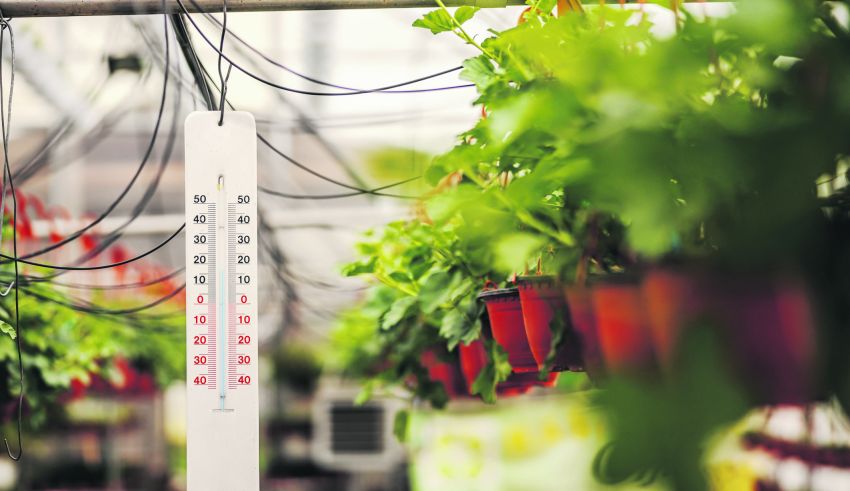
Greenhouses offer a controlled environment for growing plants year-round, but as temperatures drop in winter, gardeners and growers face a critical decision: should they invest in heating, or let nature take its course? The answer isn’t straightforward and depends on factors such as plant types, energy costs, environmental impact, and personal goals.
Heating a greenhouse in winter can transform it into a productive, thriving space, even during the coldest months. For many growers, particularly those cultivating tender crops or aiming for year-round production, winter heating is not just beneficial—it’s essential. It can be a problematical decision either way.
YES
- Protecting delicate plants
- Extended growing seasons
- Higher yields and faster growth
- Better seed starting
- Plant health and disease prevention
- Climate control for specialty plants
If you’re growing tropical or warm-season plants like tomatoes, peppers, orchids, or citrus, these cannot survive cold snaps. Even a single frost can kill or severely damage them. A heated greenhouse provides a stable environment, ensuring that sensitive plants remain healthy and productive.
Heating allows you to extend your growing season—or skip the downtime entirely. With a warm environment, crops like lettuce, spinach, and herbs can be grown continuously. This is especially useful for market gardeners or anyone trying to reduce grocery costs by growing their own food year-round.
Most plants slow down or go dormant in cold conditions. Warmer temperatures encourage faster germination and vigorous growth. Heating supports a more consistent, predictable growth cycle, helping you plan harvests better and get more from each square foot of greenhouse space.
Fluctuating temperatures and humidity levels in an unheated greenhouse can lead to issues like mould, mildew, and damping-off disease in seedlings. A controlled heated environment keeps conditions optimal, reducing plant stress and improving overall health.
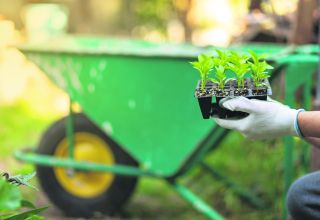
Heated greenhouses are ideal for starting seeds earlier in the year. Rather than waiting for spring to sow outdoors, you can get a head start with indoor seedlings that are transplanted when conditions allow—leading to earlier harvests and stronger plants.
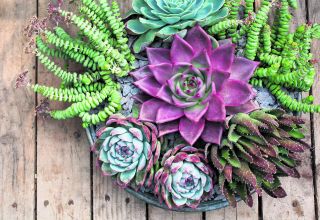
For enthusiasts or professionals growing rare or exotic species, heating is non-negotiable. Certain orchids, succulents, or carnivorous plants require precise temperatures. Heating ensures these specialised conditions can be met even in the heart of winter.
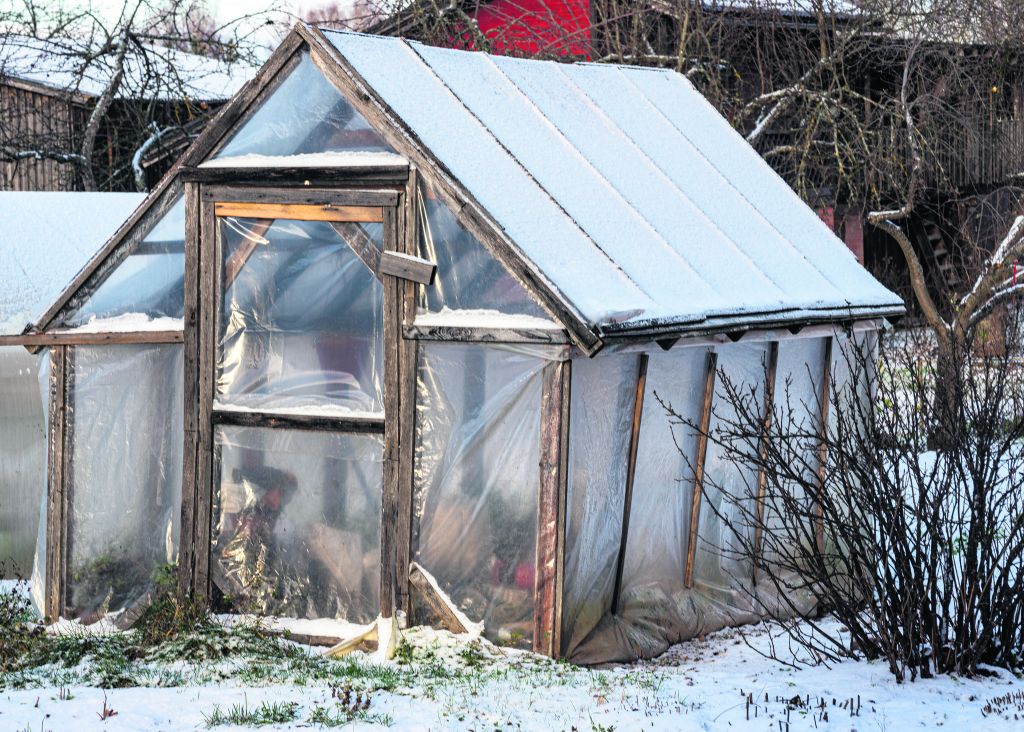
NO
- High energy costs
- Environmental impact
- Grow cold-hardy crops instead
- Utilise passive heating techniques
- Let nature provide a rest period
- Low-maintenance winter gardening
- Risk of overheating on sunny days
While heating a greenhouse has clear advantages, there are also compelling reasons to go without it—ranging from cost savings to environmental concerns. Many gardeners find they can still grow plenty without relying on artificial heat.
Electricity, gas, or propane used for greenhouse heating can quickly become expensive, especially during long or harsh winters. The financial burden may outweigh the benefits, especially for small-scale or hobby gardeners. Even energy-efficient heaters can add significantly to monthly utility bills.
Heating a greenhouse, particularly with fossil fuels, contributes to carbon emissions. For gardeners striving for sustainability or minimizing their ecological footprint, it may be better to embrace a low-energy or passive approach during winter months.
There are many vegetables and plants that thrive in colder conditions. Kale, spinach, Swiss chard, carrots, leeks, and certain herbs can withstand freezing temperatures, especially with some insulation like row covers or cold frames. Instead of fighting winter, many gardeners choose to grow what naturally thrives in it.
Instead of active heating, you can optimize your greenhouse to retain more heat naturally. Strategies include adding thermal mass (like water barrels), using bubble wrap insulation, improving glazing, and positioning the greenhouse to capture maximum sunlight. These methods often suffice for cool-weather crops.
Many plants benefit from a natural rest or dormancy period during winter. Trying to force growth year-round can stress certain species or lead to lower long-term yields. Letting the greenhouse cool down allows perennials to go dormant and return stronger in spring.
Unheated greenhouses require less attention. No need to monitor thermostats, adjust heaters, or worry about fuel shortages. You can still enjoy some gardening—like starting early spring crops slowly or overwintering hardy perennials—without the added responsibilities and costs of active climate control.
Ironically, heating systems can backfire. On sunny winter days, a greenhouse can warm up quickly, and if the heater doesn’t shut off properly or ventilation isn’t adequate, you risk overheating or stressing your plants. A passive system naturally adapts to temperature changes more gradually.
Whether or not to heat your greenhouse this winter depends on your priorities. If you’re growing tender crops, need a precise environment, or want to maximize productivity, heating might be worth the investment. On the other hand, if you’re concerned about cost, sustainability, or prefer a more hands-off winter, an unheated greenhouse with cold-hardy plants and passive techniques may be more suitable.