March is a month of transition in the garden. The days are lengthening, the soil is beginning to warm, and signs of new growth are everywhere, yet winter is never entirely gone. Frosts, cold winds, and heavy rain can still arrive unexpectedly, so the gardener must balance enthusiasm with caution. The work in March is about preparation, gentle encouragement, and timely action. What is done now sets the tone for the entire growing season. March is a month of anticipation and careful effort. The garden is waking up, and the gardener’s role is to guide and support this awakening without rushing it. From preparing the soil and sowing seeds to pruning, planting, and mulching, each task contributes to the health and beauty of the garden in the months to come. By investing time and attention in these March jobs, the gardener lays strong foundations for a productive and rewarding year ahead.
We have highlighted twelve key gardening tasks for the weeks ahead, each playing an important role in getting the garden ready for the arrival of spring.
1. Tidying beds and borders
After the dormancy of winter, beds and borders look untidy, with fallen leaves, dead stems, and debris scattered across the soil. Now is the ideal time to begin a careful clean-up. Remove dead annuals, cut back perennials that were left standing for winter interest, and clear away any lingering weeds before they have a chance to establish themselves.
This task is not simply about appearance. Clearing debris improves air circulation around emerging shoots and reduces the risk of pests and diseases overwintering in the garden. However, tidying should be done with care. Many insects shelter in hollow stems and leaf litter, so it is wise to check before removing everything. Where possible, compost healthy material and dispose of any diseased plant matter separately. A thoughtful tidy now creates a clean, healthy framework for new growth.
2. Preparing the soil
Good soil is the foundation of a successful garden, and now is an excellent time to improve it. As soon as the ground is workable—neither frozen nor waterlogged—beds can be prepared for planting. Digging over the soil helps to loosen compaction caused by winter weather and improves drainage.
Incorporating organic matter such as well-rotted manure or garden compost enriches the soil, improving its structure and fertility. This is especially important for vegetable plots, where crops will soon demand nutrients for rapid growth. Even in ornamental beds, adding organic matter encourages healthier plants and better flowering later in the year. Taking time to prepare the soil thoroughly now will reduce problems and effort later.
3. Sowing hardy vegetables
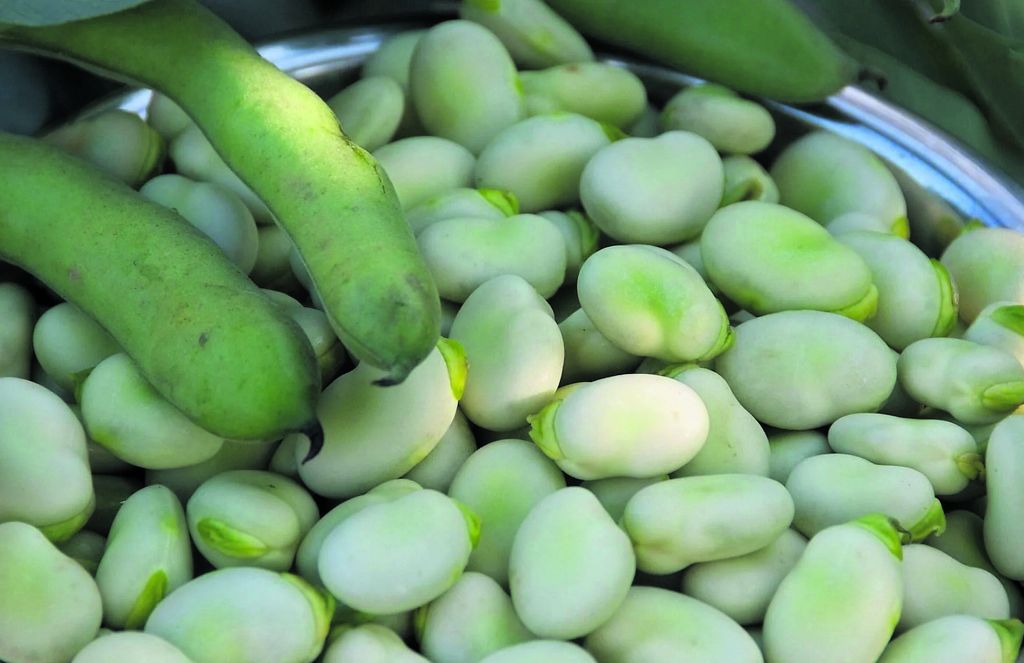
March marks the start of the main sowing season for many hardy vegetables. Depending on local conditions, crops such as broad beans, peas, carrots, parsnips, spinach, and beetroot can be sown outdoors. These vegetables are well suited to the cooler conditions of early spring and benefit from an early start.
When sowing, it is important to prepare a fine seedbed and follow spacing recommendations carefully. Cover seeds lightly and water gently if the soil is dry. In colder areas, using cloches or fleece can protect young seedlings from frost and encourage faster germination. The satisfaction of seeing the first rows of seedlings emerge is one of the great pleasures of gardening at this time of the year.
4. Starting seeds under cover
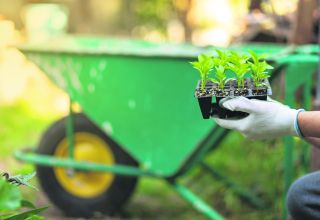
While some crops can be sown outside, others benefit from the protection of a greenhouse, cold frame, or sunny windowsill. Now is the perfect time to start tender vegetables and flowers under cover. Tomatoes, peppers, aubergines, and many annual flowers need warmth to germinate and grow well.
Sowing under cover allows the gardener to get ahead of the season and ensures strong, healthy plants ready for planting out later. Use clean pots and fresh compost to reduce the risk of disease, and provide plenty of light to prevent seedlings from becoming weak and leggy. Regular checking and gentle watering are essential, as young plants can dry out quickly.
5. Cutting back perennials and ornamental grasses
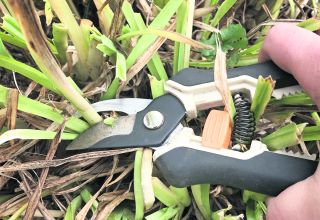
Many perennials and ornamental grasses are left standing through winter to provide structure and shelter for wildlife. March is the time to cut them back before new growth becomes too advanced. Using secateurs or shears, cut stems down to just above the base, taking care not to damage emerging shoots.This task tidies the garden and makes space for fresh growth. It also allows sunlight to reach the soil, warming it more quickly. The cut material can often be composted or used as mulch once chopped up. Completing this job now ensures that plants can grow freely without being hindered by old, woody stems.
6. Dividing and transplanting perennials
March is an excellent month for dividing overcrowded perennials and moving plants to new positions. Plants such as hostas, daylilies, and clump-forming grasses benefit from division every few years. Dividing rejuvenates the plant, improves flowering, and provides additional plants for other areas of the garden.
Choose a cool, overcast day if possible, and water plants well after replanting. The soil is usually moist at this time of year, helping new divisions to establish quickly. Transplanting now gives plants plenty of time to settle in before the demands of summer growth.
7. Pruning roses
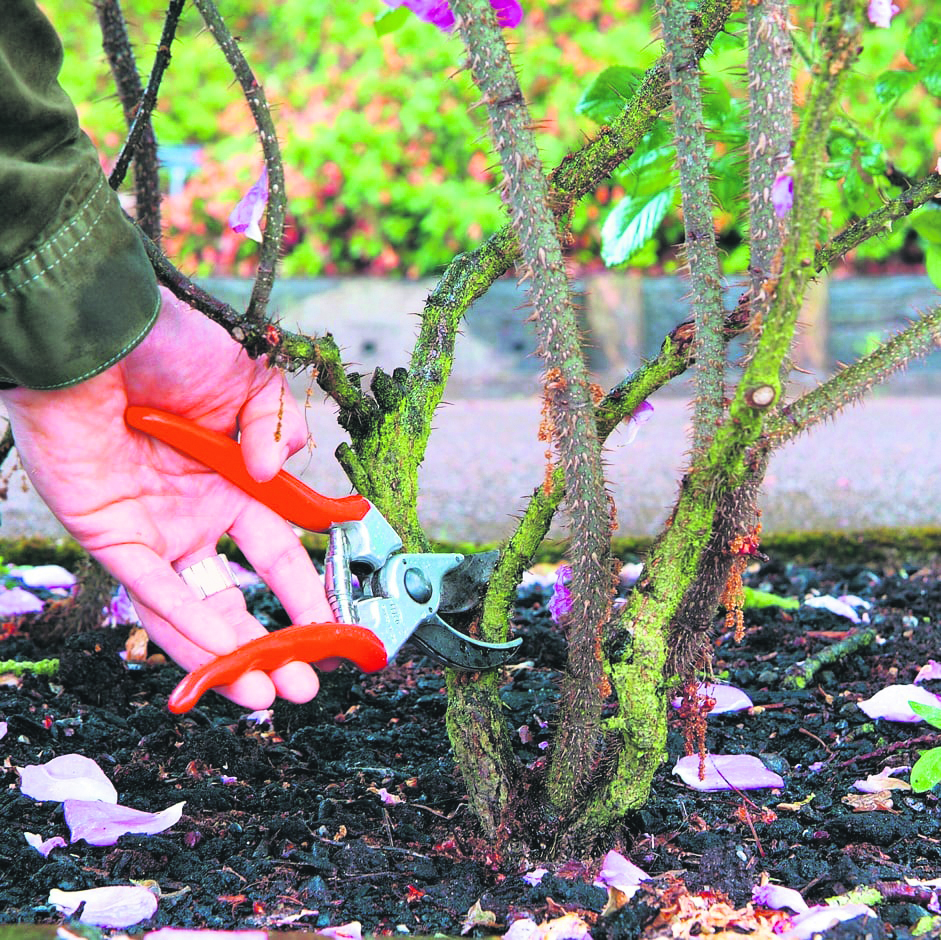
Roses respond well to pruning this early in spring, just as new growth begins to appear. Pruning encourages strong, vigorous shoots and helps to shape the plant, improving both its health and its flowering performance. Remove any dead, damaged, or crossing stems first, then shorten remaining stems to outward-facing buds.Sharp, clean tools are essential to make neat cuts that heal quickly. The exact method depends on the type of rose, but the general aim is to create an open structure that allows light and air to circulate freely. Though pruning can feel drastic, roses are resilient plants, and a well-pruned rose now will reward the gardener with abundant blooms in summer.
8. Planting trees, shrubs, and roses
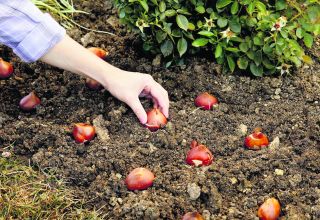
March is one of the last good opportunities to plant bare-root trees, shrubs, and roses before spring growth accelerates. The soil is warming, and plants can establish roots before the stress of hotter weather arrives. Container-grown plants can also be planted, provided the ground is not too wet. When planting, dig a generous hole and improve the soil with organic matter if needed. Firm the plant in well and water thoroughly. Mulching around the base helps to retain moisture and suppress weeds. Well-planted trees and shrubs this early in spring will quickly begin to grow and integrate into the garden.
9. Feeding plants
As growth resumes, many plants benefit from feeding very early in the season. Applying a general-purpose fertiliser or specific feeds for roses, shrubs, and lawns helps to support strong early growth. Organic options such as fish, blood, and bone or pelleted manure release nutrients gradually and improve soil health.Feeding should be combined with watering if conditions are dry, ensuring nutrients reach the root zone. Care should be taken not to overfeed, as excessive nutrients can lead to soft, weak growth. Thoughtful feeding in March provides a steady start to the growing season.
10. Lawn care and first mowing
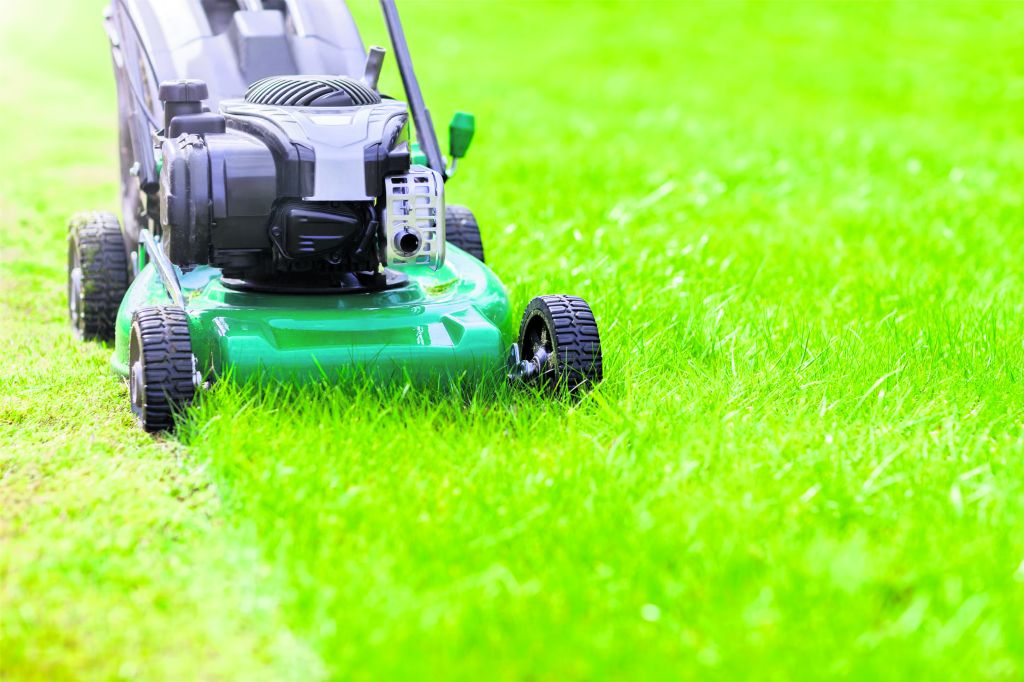
As temperatures rise, lawns begin to grow again, and March is the time to start lawn care for the year. Rake out moss and debris to improve airflow and allow grass to recover. If the lawn is compacted, gentle aeration with a fork can improve drainage and root growth. The first mow of the season should be light, with the mower blades set high. This encourages the grass to thicken without stressing it. Avoid cutting the lawn when it is very wet or frosty. Regular care now sets the stage for a healthier, greener lawn throughout the year.
11. Mulching beds and borders
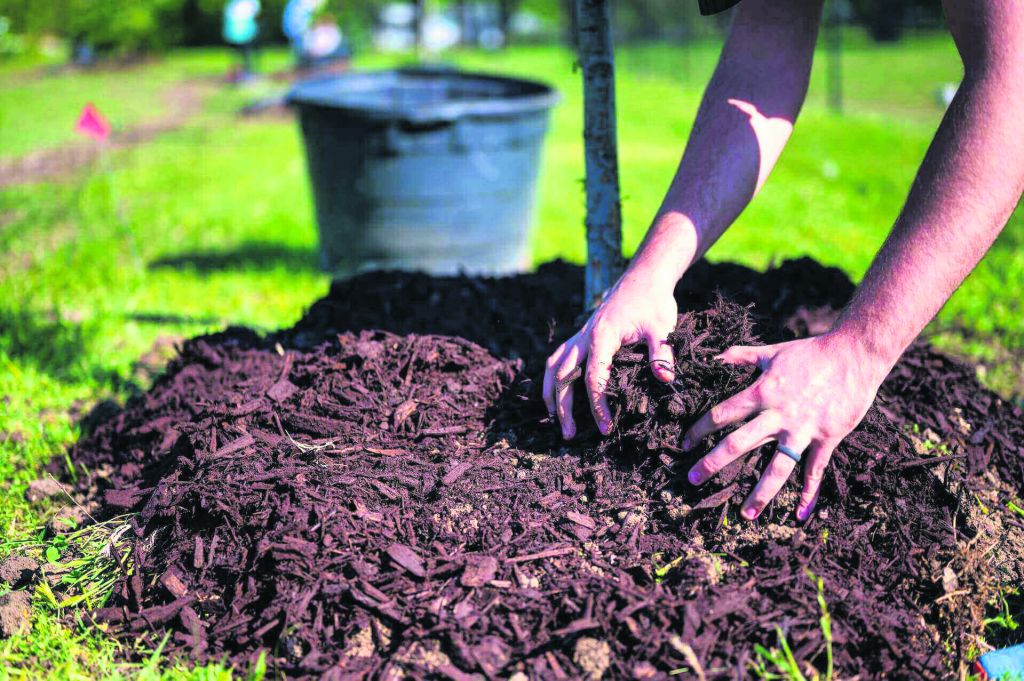
Mulching is one of the most valuable tasks a gardener can do in March. Applying a layer of organic mulch around plants helps to conserve moisture, suppress weeds, and improve soil structure as it breaks down. Mulch also protects soil from heavy rain, reducing erosion and compaction.
Well-rotted compost, bark chips, or leaf mould are all suitable materials. Apply mulch after the soil has warmed slightly and been weeded thoroughly. A generous mulch in March reduces maintenance later in the season
12. Watching for pests and protecting new growth
As new shoots emerge, so do pests. Slugs, snails, aphids, and other insects become active in March, and early vigilance can prevent serious problems later. Check plants regularly and remove pests by hand where possible. Protect tender shoots from late frosts using fleece or cloches, especially on clear nights. Being observant and responsive is a key part of early season gardening. Early action helps to maintain balance in the garden and protects the promise of the season ahead.