King of the edible ornamentals, Swiss chard offers gardeners beauty, form and colour.
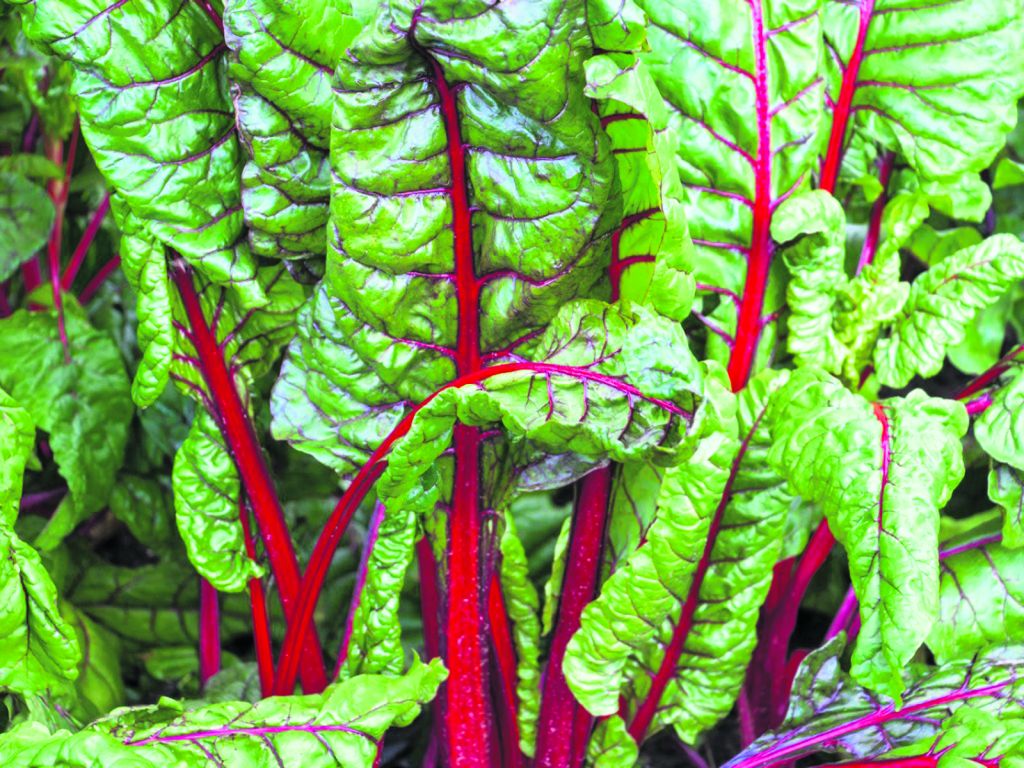
Chard is one of the few edible plants which is equally at home in a vegetable bed or a flower border. At the height of summer, it outshines any other vegetable with its brightly coloured stems veins and dramatically contrasting leaves.
Chard is also a tough little plant.
Swiss chard is an easy-to-grow, beautiful, and nutrient-dense vegetable that deserves a spot in every home garden. Whether you’re drawn to its vibrant colours, its tolerance to a range of climates, or its culinary flexibility, chard is a reliable green that can be harvested over a long season and used in countless delicious ways. From garden to table, it’s a true garden treasure.
Swiss chard (Beta vulgaris subsp. vulgaris) is a leafy green vegetable that belongs to the beet family. Often recognised by its glossy green leaves and vibrant stems in colours like red, yellow, orange, and white, Swiss chard is both an ornamental and edible plant. It’s prized not only for its beauty in the garden but also for its nutritional value and culinary versatility. Growing chard is relatively easy, making it a popular choice for beginner gardeners and seasoned growers alike.
Swiss chard is a cool-season crop but is also quite heat-tolerant compared to other leafy greens. It can be grown in both spring and autumn, and in many areas, it will even survive mild winters.
Sow seeds two to three weeks before the last expected frost.
In milder climates, Swiss chard can be planted in late summer for a winter crop.
Swiss chard prefers well-draining, fertile soil rich in organic matter. Aim for a pH between 6.0 and 7.0. Work compost or well-rotted manure into the soil before planting for a nutrient boost.
Sow seeds half an inch deep and about two inches apart in rows 12–18 inches apart. Once seedlings are about four inches tall, thin them to about six inches apart. Thinned seedlings can be transplanted or eaten as baby greens.
Swiss chard seeds are seed clusters, so multiple plants may sprout from a single;’seed.’
Keep the soil consistently moist but not soggy. Swiss chard benefits from regular watering, especially in hot or dry conditions. Apply a balanced fertiliser every six weeks if needed, especially in poor soils.
Swiss chard is relatively pest-resistant, but it can occasionally be affected by aphids, leaf miners and slugs and snails. To prevent disease, avoid overhead watering, and practice crop rotation.
You can begin harvesting Swiss chard as soon as the leaves are large enough to eat. Cut outer leaves about an inch above the ground and leave the central growing point intact. This ‘cut-and-come-again’ method allows the plant to keep producing for weeks or even months.
Popular Swiss chard cultivars
Swiss chard comes in a variety of cultivars, each with its own stem colour and flavour nuances. Here are some popular types:
‘Bright Lights’
This colourful variety features stems in red, yellow, orange, pink, and white. It’s visually stunning and often used as an ornamental edible in gardens. The flavour is mild, slightly sweet, and tender.
‘Fordhook Giant’
An old and reliable cultivar, ‘Fordhook Giant’ has broad, dark green leaves and thick white stems. It’s known for its vigour, productivity, and cold tolerance.
‘Rhubarb’ Chard
This variety resembles rhubarb due to its deep red stems and dark green leaves. The stems are tender and the flavour is slightly earthy.
‘Ruby Red’ or ‘Red Chard’
With vibrant crimson stalks and deep green leaves, this cultivar is both flavourful and visually appealing. It’s often used in salads or sautéed dishes.
‘Lucullus’
A pale-stemmed variety with crinkled light green leaves. It has a milder taste and is especially heat-resistant, making it ideal for summer growing.
Nutritional benefits
- Swiss chard is incredibly nutritious. It’s high in:
- Vitamins A, C, and K
- Magnesium
- Potassium
- Iron
- Antioxidants like betalains and flavonoids
Low in calories but rich in fibre and nutrients, it’s a great addition to a healthy diet.
How to cook chard
- Swiss chard is a versatile green that can be eaten raw, sautéed, steamed, stir-fried, baked, or used in soups and stews. Both the leaves and stems are edible, though they require slightly different cooking times.
- Wash thoroughly: Swiss chard can trap dirt in its crinkly leaves. Separate stems from leaves: since stems take longer to cook, cut and cook them separately for even texture.
- Young, tender chard leaves can be eaten raw. They add a slightly earthy and tangy flavour to salads. Try mixing them with milder greens like spinach or arugula.
- One of the most popular ways to enjoy Swiss chard is sauteed.
- Heat olive oil in a pan with garlic or onions. Add chopped stems first, cook for a couple of minutes. Add the leaves, sauté until wilted. Season with salt, pepper, lemon juice, or chilli flakes.
- Swiss chard can be gently steamed and served with a drizzle of olive oil and a squeeze of lemon. Braising with broth, white wine, or tomatoes adds extra flavour.
- Chopped chard makes a great addition to minestrone, lentil soup, or any vegetable stew. It holds its shape better than spinach and adds colour and nutrients.
- Swiss chard is excellent in gratins, quiches, and casseroles. Combine with cheeses like feta, ricotta, or Parmesan for a savoury filling.
- Use large chard leaves in place of grape or cabbage leaves to make stuffed rolls with rice, herbs, and ground meat or lentils.